

What if your dream job offer is currently sitting on a recruiter’s desk, waiting only for a phone call to a person who actively wants to see you fail? It’s a paralyzing realization. You’ve done the hard work and aced every interview, yet the final hurdle feels like a trap set by a former supervisor who holds a professional grudge. You’re likely worried that a single biased comment could derail your entire career trajectory, especially since 92% of employers now conduct rigorous background checks. Finding viable alternatives to using a former manager as a reference isn’t just a backup plan; it’s a necessary safeguard for your professional reputation.
We understand that the anxiety of professional sabotage is real and justified. This guide will show you how to secure your next job offer by neutralizing the risk of a hostile manager through strategic alternatives and professional verification. You’ll discover exactly how to explain a missing supervisor to HR without raising red flags. We’ll also detail how to utilize a Professional Reference Package to provide a verified, third-party shield that ensures your work history speaks louder than a manager’s personal bias. By the end of this article, you’ll have a clear, procedural path to bypass workplace hostility and move forward with total confidence.
Key Takeaways
- Identify subtle sabotage before it costs you an offer by conducting a “Reference Audit” to analyze your manager’s likely feedback and technical disqualifiers.
- Explore strategic alternatives to using a former manager as a reference, including lateral supervisors and senior leadership who can provide objective performance validation.
- Adapt to 2026 hiring trends by shifting the focus of your background check from subjective personal anecdotes to secure, data-driven verification.
- Use low-pressure communication scripts that maintain professional distance while securing the necessary documentation for your next career move.
- Utilize a Professional Reference Package to establish a sterile shield between your career goals and a potentially biased or hostile former supervisor.
Navigating the Professional Risk of a Negative Manager Relationship
The “Manager Gap” represents a structural vulnerability in your job search. Recruiters prioritize the direct supervisor because they are the only authority figure with granular insight into your daily output and professional conduct. When this relationship is fractured, your candidacy stalls. In 2026, the landscape of the employment reference or job reference has shifted from subjective phone calls to automated, data-driven verification. While 71% of hiring professionals find traditional reference checks procedural rather than insightful, they still require a verified point of contact to satisfy compliance protocols. Identifying viable alternatives to using a former manager as a reference is the first step in a defensive strategy we call Vigilant Career Advocacy. This approach moves you from a position of vulnerability to one of procedural integrity, ensuring your career narrative remains under your control.
It is vital to distinguish between a “bad manager” and a “disliked manager” before finalizing your strategy. A bad manager is often recognized by the organization as incompetent or toxic, which can actually work in your favor if their reputation is known. A disliked manager, however, suggests a specific interpersonal friction that could lead to targeted professional sabotage. Our Professional Reference Package is designed to bridge this gap, providing a secure method to validate your history without exposing your future to personal bias.
The High Stakes of a Sabotaged Reference
Sabotage is rarely loud. It often manifests as “faint praise” or strategic pauses during a verification call. A lukewarm reference is frequently as damaging as a negative one, signaling to a recruiter that you were “just okay” or difficult to manage. While 70% to 80% of U.S. employers maintain strict neutral reference policies to avoid litigation, off-the-record comments still occur. Furthermore, the legal risk of “negligent referral” encourages some companies to disclose documented negative facts if they believe failing to do so could cause harm to a new employer. One biased conversation can instantly derail a multi-month interview process, making alternatives to using a former manager as a reference a mandatory safeguard rather than an optional luxury.
Assessing Your Standing Before You Apply
You must audit your professional standing using objective metrics before submitting your next application. Review your final performance evaluations for written evidence of your contributions. These documents serve as your primary defense against verbal contradictions. You should also evaluate the “Sabotage Potential” of your former supervisor by looking at their past behavior with other departing employees. Professional reference risk is a measurable career variable representing the probability that a former supervisor’s subjective feedback will contradict documented performance data. By quantifying this risk, you can determine if you need a lateral supervisor, a senior executive, or a professional verification service to act as your primary point of contact.
Assessing the Damage: Will They Sabotage Your Reference Check?
Before submitting a contact list, you must conduct a rigorous Reference Audit. This process requires you to step outside your own perspective and objectively predict your former supervisor’s behavior. If the professional dislike was mutual, their incentive to assist your career progression is likely non-existent. In 2026, blatant professional defamation is rare because truth serves as an absolute legal defense; however, “subtle sabotage” has become the primary risk for candidates. Recruiters are now trained to identify what is left unsaid. A manager who offers only technical disqualifiers, such as “they met the basic requirements of the role,” is often signaling a lack of endorsement without technically violating company policy.
You must also account for the “Backdoor Reference Check.” Recruiters frequently use LinkedIn to identify mutual connections or previous supervisors who aren’t on your official list. This practice makes finding credible alternatives to using a former manager as a reference a mandatory part of your defensive strategy. If a recruiter reaches out to a former colleague off-the-record, you need a verified, professional narrative already in place to counteract any biased whispers. Identifying these potential leaks early allows you to proactively manage the flow of information regarding your tenure.
Decoding HR Verification vs. Personal Recommendation
There is a critical distinction between a character endorsement and a corporate verification. An estimated 70% to 80% of U.S. employers now maintain strict policies that limit disclosures to job titles and dates of employment. Many corporations explicitly prohibit managers from providing personal references to mitigate litigation risks. Understanding the 2026 reality of employment verification is essential for your strategy. If your manager refuses to speak, it might be a matter of corporate compliance rather than personal malice. However, if they are providing “glowingly positive” references for others while remaining silent for you, the risk of a negative outcome is high.
When to Walk Away from a Manager Reference
Specific red flags indicate that a manager reference is no longer a viable option. If your departure involved unresolved HR grievances or a documented Performance Improvement Plan (PIP), listing that supervisor is a high-stakes gamble that rarely pays off. You should also utilize the “Silence Test.” If a manager ignores your preliminary outreach for a reference check, take that silence as a definitive warning. Hope is not a career strategy in a high-stakes hiring environment. If you suspect your professional narrative is at risk, it’s time to discuss a secure verification strategy to protect your future. Securing verified alternatives to using a former manager as a reference ensures that a single personality clash doesn’t dictate your professional worth.

Strategic Alternatives: Bypassing the Disliked Manager
Strategic distance is your most effective tool when a direct supervisor relationship has soured. While recruiters traditionally prioritize the immediate boss, they are ultimately looking for professional validation from an authoritative source. Exploring alternatives to using a former manager as a reference requires a tactical shift in how you present your professional network. You don’t need to rely on a hostile individual if you can provide a “Lateral Supervisor” instead. These are managers from adjacent departments who collaborated with you or oversaw your output on shared initiatives. Because they held an equivalent rank to your boss but lacked the personal friction, their testimony carries significant weight without the risk of bias.
Another high-impact option is the “Grand-Boss” strategy. Reaching out to your manager’s supervisor can be a powerful move, provided you maintained a positive rapport with them. A recommendation from a higher level of leadership often overrides any lukewarm feedback from a mid-level manager. Similarly, “Dotted Line” managers who led cross-functional projects are excellent candidates. They can speak directly to your technical skills and project delivery, which aligns with the 2026 trend toward skills-based hiring. In a matrix organization, these individuals are often viewed as primary stakeholders in your success, making them credible substitutes for a traditional direct report relationship.
The Internal Advocate Framework
If you must use a colleague, they should be selected based on their “Managerial Weight.” A peer who holds a Director or Senior Lead title is far more persuasive than a junior associate. You must ensure total alignment between their testimony and your documented history. Discrepancies here can trigger an intensive background audit. Review The Critical Guide to Resume and Reference Consistency to ensure your advocate’s narrative matches your official records. This consistency is the foundation of a “Sterile Shield” against professional sabotage.
Addressing the ‘Supervisor Gap’ with Recruiters
You will eventually be asked why your most recent manager is missing from your list. The key is to provide a neutral, procedural explanation rather than an emotional one. Use “Organizational Change” or “Policy Restrictions” as your professional shield. You might state that the former manager has left the company and is unreachable, or that the company’s current HR policy limits all supervisor contact to automated verification. This shifts the focus away from a personal conflict and onto corporate logistics. By keeping your explanation brief and redirecting the recruiter to the breadth of your other high-level references, you maintain control of the narrative and project an image of professional integrity.
The Art of the Request: How to Ask for a Reference Professionally
When a relationship is strained, securing alternatives to using a former manager as a reference becomes a matter of tactical communication. You must approach the request with a “Professional Olive Branch” strategy. This involves a low-pressure, high-clarity outreach that prioritizes procedural integrity over personal connection. By providing the manager with a “Way Out,” such as suggesting they refer the inquiry to HR if they’re too busy, you avoid a direct confrontation while gauging their willingness to cooperate. If they hesitate, it’s a clear signal to pivot toward your secondary list of advocates. While you finalize your list of alternatives to using a former manager as a reference, the way you frame the request can often neutralize lingering tension.
The “Fact-Sheet Method” is your most effective tool for ensuring accuracy. Don’t force a disliked manager to recall your achievements from memory; this invites subjective bias. Instead, provide a concise summary of your dates of employment, final job title, and three quantified accomplishments. This reduces their cognitive load and provides the answers they need to satisfy a recruiter’s inquiry. Timing is equally critical. You should always initiate this contact before the background check begins. If you wait until a recruiter is already dialing their number, you lose the ability to manage the narrative or anticipate a negative response.
Scripts for High-Tension Requests
If you haven’t spoken to a manager in over a year, use this three-sentence template: “I am currently in the final stages of a hiring process and would appreciate verifying my tenure at [Company Name] with you. Given the time that has passed, I understand if corporate policy requires that I direct this inquiry to Human Resources instead. Please let me know which contact method you prefer for a standard verification of my role and dates of employment.” If the manager responds with a flat “No,” accept it with professional poise. You shouldn’t argue; simply move to your next advocate or secure your professional narrative through a third-party verification service.
Managing the Narrative in the Interview
You must be prepared for the recruiter to ask why your most recent supervisor isn’t listed. Use the “Focus on Outcomes” pivot to redirect the conversation. Instead of explaining the personality clash, state that your chosen references were selected because they were the primary stakeholders in your most recent high-impact projects. Never speak negatively about a disliked manager. Even if your criticisms are factually accurate, recruiters often interpret negative comments as a lack of professional maturity. By maintaining a formal register and focusing on the breadth of your other endorsements, you project the image of a candidate who values objective results over workplace politics.
Professional Reference Services: Securing Your Career Narrative
When personal outreach and lateral supervisors aren’t enough, you need a procedural solution that removes the human element from the equation. The Professional Reference Package serves as a corporate-standard solution for candidates who cannot rely on a former supervisor. It functions as a “Sterile Shield,” providing objective, third-party verification that focuses strictly on your professional record. By utilizing this service, you ensure that personal biases or past interpersonal friction don’t interfere with your current opportunities. This is the most reliable among the alternatives to using a former manager as a reference because it replaces subjective opinion with verified data that recruiters can trust.
Live phone answering is a critical component of this process. Automated systems are efficient, but many high-level recruiters still prefer the credibility of a live conversation to confirm specific nuances of your tenure. Our service ensures that when a recruiter calls to verify your history, they reach a professional representative who can confirm your tenure, title, and achievements with total accuracy. This proactive validation turns your background check into a “Non-Event.” You don’t have to wait in a state of anxiety; instead, you move forward knowing your narrative is secure and perfectly consistent with your resume.
Why Verification Services Are the 2026 Standard
Hiring in 2026 has shifted heavily toward automated and third-party employment verification. Many organizations now prioritize “clean data” over anecdotal references to avoid the legal risks associated with defamation or negligent referral. WorkReferences bridges the gap for unavailable supervisors by acting as a legitimate verification source that meets modern HR protocols. Executive-level candidates frequently use these professional services to protect their reputations during sensitive transitions. It ensures that their career trajectory isn’t held hostage by a single negative relationship or a manager who refuses to cooperate.
Taking Control of Your Background Check
Transitioning from a state of concern to one of prepared confidence is essential for a successful job hunt. When you know your references are consistent and verified, you perform better in interviews and project greater authority. You aren’t distracted by the fear of what a former boss might say or how they might react to a surprise phone call. You’ve already done the hard work to secure alternatives to using a former manager as a reference, and you have a professional backup in place to handle the verification process. Explore our Reference Packages to secure your next offer and take the final step in protecting your professional future today.
Securing Your Professional Future with Procedural Integrity
A single fractured relationship shouldn’t dictate your career trajectory. You’ve learned that neutralizing a hostile supervisor requires a shift from subjective anecdotes to objective verification. By leveraging lateral supervisors or senior leadership, you establish a narrative based on documented performance rather than personal friction. In the high-stakes hiring environment of 2026, finding reliable alternatives to using a former manager as a reference is a mandatory step for any serious candidate. This strategy ensures that your professional reputation remains under your control, regardless of past workplace politics.
Our Vigilant Career Advocate methodology ensures your work history remains a source of strength. Since 2005, we’ve provided third-party employment verification and live phone answering to protect candidates from professional sabotage. This procedural integrity acts as your ultimate safeguard against workplace bias. Don’t leave your next offer to chance or the whims of a biased manager. Secure your career transition with a Professional Reference Package today. You’ve earned your achievements; now it’s time to ensure they’re verified with the professional authority they deserve. Your next career move is too important to leave unprotected.
Frequently Asked Questions
Can a manager give a bad reference if I disliked them?
Yes, a former manager can legally provide a negative reference as long as the information shared is factual and documented. Truth is an absolute defense against defamation claims. While approximately 70% to 80% of U.S. employers maintain neutral reference policies to avoid litigation, individual managers might still offer subtle sabotage through faint praise or technical disqualifiers. You should proactively identify alternatives to using a former manager as a reference if you suspect personal bias.
What if a potential employer insists on speaking to my former manager?
If an employer insists on a direct supervisor, redirect the conversation toward a lateral supervisor or a senior stakeholder who oversaw your primary projects. Explain that your former manager is unavailable due to organizational changes or that current corporate protocols prioritize automated third-party verification. Providing a verified Professional Reference Package often satisfies these procedural requirements by offering a secure, authoritative shield between the recruiter and a potentially hostile individual.
Is it illegal for a manager to give a negative reference in the US?
It’s not illegal for a manager to provide a negative reference in the United States. Federal law doesn’t restrict disclosure as long as the statements are truthful and non-discriminatory. Most states recognize qualified privilege, which protects employers from defamation lawsuits if they act in good faith. However, the risk of litigation is why most corporations now restrict disclosures to basic data like job titles and dates of employment.
How do I explain a personality clash with a former boss to a recruiter?
You shouldn’t mention a personality clash to a recruiter. Negative comments about a former boss often signal a lack of professional maturity to hiring teams. Instead, pivot the conversation toward your quantified achievements and the specific stakeholders who can verify them. State that you’ve selected references who were the primary witnesses to your most recent high-impact outcomes, which aligns with modern skills-based hiring trends.
Can I use a colleague instead of a manager for a professional reference?
You can use a colleague, but you must ensure they hold significant managerial weight within the organization. A Senior Lead or Director who collaborated with you on cross-functional projects is a much stronger alternative than a junior peer. Recruiter scrutiny is high in 2026, so your advocates must be able to speak to technical metrics and project delivery with the same authority as a direct supervisor.
What happens if my former manager is no longer with the company?
If your former manager has left the company, you have a valid procedural reason to provide an alternative contact. You can redirect the recruiter to a manager’s supervisor or an HR-led verification service. This situation is an ideal time to utilize alternatives to using a former manager as a reference, as it allows you to select a more supportive advocate without raising red flags about the original relationship.
How does a professional reference service help with a difficult manager?
A professional reference service acts as a sterile shield by providing objective, third-party confirmation of your work history. It removes the risk of personal bias and ensures that a recruiter’s inquiry is met with professional, live phone answering. This proactive validation ensures that your background check remains a non-event, allowing your documented performance to speak louder than a manager’s subjective opinion or professional grudge.
Should I tell the truth about why I don’t want a manager contacted?
You shouldn’t disclose personal grievances or the details of a professional dislike. Transparency regarding a conflict often backfires, as 71% of hiring professionals already find traditional reference checks procedural. Stick to professional or procedural reasons for your reference choices. Use policy restrictions or unreachability as your shield to maintain your image as a meticulous professional who prioritizes corporate compliance over interpersonal drama.
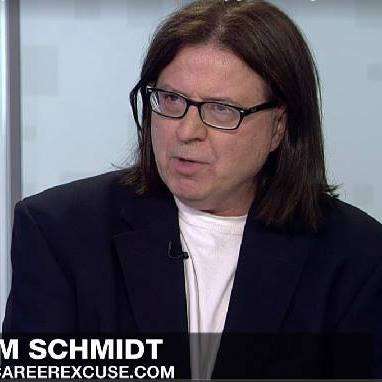
Article by
William Schmidt
William Schmidt is a former Fortune 500 recruiter and founder of WorkReferences.com, a pioneering employment verification and professional reference service established in 2009. With extensive experience working alongside hiring managers, recruiters, and background screening agencies, he helps job seekers overcome career obstacles through credible, third-party verification solutions that strengthen resumes and restore confidence in the hiring process