
Did you know that 26% of candidates reported having a job offer rescinded in 2026? It’s a sobering statistic that transforms a moment of celebration into one of intense anxiety. You’ve reached the milestone of a verbal offer, yet you’re now facing the high-stakes reality of the formal screening process. The reference check after verbal offer is not a mere formality; it’s a strategic verification phase where 69% of employers admit to changing their minds about a candidate based on the feedback they receive.
We understand the frustration of trying to prove your professional value when former firms have closed or supervisors have disappeared into the corporate ether. You shouldn’t lose a career-defining opportunity because of an automated HR flag or a lack of human nuance in the background check. This guide will teach you how to master this transition by securing a verified work history that stands up to the most rigorous scrutiny. We will examine the mechanics of professional verification for defunct employers and provide a clear roadmap to ensure you sign your final contract with absolute confidence.
Key Takeaways
- Recognize why modern hiring cycles treat a verbal offer as a contingent milestone and how to avoid the automated “No Record Found” trap.
- Navigate a reference check after verbal offer by organizing secondary evidence like W-2s and performance reviews to validate your tenure at defunct firms.
- Identify the 2026 shift toward automated verification databases and learn how to bridge the gap when human-to-human calls are required.
- Evaluate the long-term reliability of former colleagues against professional advocacy services to ensure your verification legacy remains intact for years.
- Master the use of live phone answering and third-party confirmation to provide HR departments with the credible points of contact they demand.
Understanding the Reference Check After a Verbal Offer in 2026
Receiving a verbal offer feels like crossing the finish line. However, in the 2026 hiring environment, that verbal confirmation is merely a “contingent offer.” It’s a conditional handshake. Employers now front-load the emotional commitment but back-load the procedural verification to save on administrative costs. This means the reference check after verbal offer has become the ultimate gatekeeper. For many candidates, this phase triggers an immediate shift from professional triumph to deep-seated anxiety. If your career history includes companies that no longer exist, you aren’t just facing a human reviewer; you’re battling an algorithm.
Most modern firms outsource this process to third-party providers who conduct an Employment Background Check using automated databases. When these systems encounter a defunct firm, they don’t see a business closure. They see an “unexplained gap” or a “No Record Found” flag. These automated red flags can stall your progress before a human ever looks at your file. In a world where 26% of candidates report having an offer rescinded in the last year, these technical glitches carry severe professional consequences.
Why Traditional HR Verification Fails for Closed Firms
The standard HR protocol relies on a predictable feedback loop. When a physical office vanishes, that loop breaks. If a screener cannot reach a verified corporate number, they often stop. They don’t investigate the nuances of a startup’s failure or a corporate merger. Without a live human advocate to answer the call, you risk being ghosted by the very software designed to validate you. Unreachable supervisors are no longer just a minor inconvenience. They’re now viewed as a lack of professional credibility by automated screening platforms that prioritize speed over nuance.
The High Stakes of Unverified Career Timelines
The stakes are particularly high for those in leadership roles. Unverified history can directly undermine executive-level salary negotiations or jeopardize complex sign-on bonuses. If a portion of your tenure remains “unconfirmed,” a company may use that uncertainty to devalue your offer. Worse, offers are frequently rescinded at the final hour when a background check remains incomplete. Positioning yourself as a proactive problem-solver is essential. You must provide a verified path for the screener to follow before the reference check after verbal offer turns into a professional setback. Taking control of your narrative isn’t just a preference; it’s a strategic safeguard for your career trajectory.
Mechanics of Modern Background Screening: Automated vs. Human Verification
The machinery of modern hiring has undergone a radical transformation. In 2026, the reference check after verbal offer is rarely a simple phone call between two managers. It’s an algorithmic audit. Most enterprise-level firms now utilize automated verification databases to cross-reference your claims against massive data repositories. While efficient for the employer, this shift creates a sterile environment where nuances are lost. If your professional history contains a company that failed to integrate with these centralized hubs, your file may be flagged as incomplete or fraudulent without a single human ever reviewing your context.
The Role of Automated Verification Databases
Systems like The Work Number have become the default standard for verifying payroll data. However, these databases are only as reliable as the data fed into them. Small to mid-sized firms or startups often lack the administrative infrastructure to maintain these records. When a screener cannot find you in a database, they pivot to Secretary of State filings to confirm the business was a legal entity. While this confirms the company existed, it does nothing to confirm your role within it. This is where the “Human Verification Override” becomes critical. A live voice can provide the context that a digital record simply cannot.
Performance vs. Existence: The Verification Gap
Many candidates believe that providing W-2s or pay stubs is enough to pass a background check. This is a dangerous misconception. A tax document proves you were on a payroll; it does not prove you were a high-performing Director of Operations. It doesn’t validate your job title, your responsibilities, or the professional legacy you left behind. Modern HR departments increasingly demand more than just “existence verification.” They want “performance validation.” If you cannot provide a credible point of contact to confirm your achievements, you risk having your offer rescinded based on a perceived lack of transparency.
Bridge the gap between static documents and live credibility. If you’re concerned about how your history will appear during a reference check after verbal offer, it’s wise to consult with a career advocate to ensure your professional narrative remains secure.
DIY Verification vs. Professional Advocacy: Risk and Performance Audits
Many candidates instinctively reach out to former colleagues when a new employer initiates the verification phase. While this seems like a logical path, it’s often a strategic gamble. Relying on “favors” from past coworkers creates a fragile foundation for your career trajectory. Fortune 500 recruiters and sophisticated screening firms expect a level of professional rigor that a casual cell phone conversation cannot provide. If your reference answers a call in a noisy environment or provides vague, inconsistent details, your professional image suffers immediate damage. The reference check after verbal offer is a high-stakes audit; treating it as a casual conversation is a mistake that can cost you the position.
Managing your own verification legacy is an exhausting administrative burden. People retire. They change industries. They lose touch. If you rely on a specific individual to validate your history, you’re tying your professional security to their personal availability. A reference check after verbal offer requires precision and stability, two qualities that DIY methods often lack. When you manage this process yourself, you’re essentially gambling that your former supervisor will remain reachable and willing to act as your advocate for the next decade.
The Pitfalls of Using Retired or Unreachable Supervisors
Supervisors who have moved on to other ventures often suffer from “reference burnout.” They may initially agree to help, but their responsiveness tends to wane over time. If a background screener can’t reach your contact after multiple attempts, they don’t blame the contact. They flag your history as “unverifiable.” There’s also a significant legal risk. If a former manager inadvertently provides dates that conflict with your resume, automated systems will flag the discrepancy as a misrepresentation. Maintaining professional distance while ensuring your verification is bulletproof requires a more structured approach than a simple LinkedIn message.
The Advantage of a Dedicated Career Advocate
Establishing a strategic partnership is an essential safeguard for modern professionals. By utilizing a service like WorkReferences, you secure a permanent, professional point of contact that doesn’t disappear when a company closes its doors. A dedicated career advocate provides live phone answering, ensuring that every inquiry from an HR department is met with a polished, authoritative response. This level of integrity is vital because it guarantees total consistency between your resume and the verification script. You’re no longer at the mercy of a former colleague’s memory or schedule. Instead, you’re supported by a system designed to protect your professional narrative and facilitate a smooth transition into your next role.

Strategic Steps to Documenting Your Professional History for Defunct Firms
How do you defend a career built at companies that no longer exist? When you approach the reference check after verbal offer, your preparation determines whether the process is a smooth transition or a career roadblock. You cannot afford to wait for a background screener to discover a closed firm on their own. Instead, you must take control of the narrative by proactively documenting your history. This involves more than just listing dates; it requires a meticulous audit of your secondary evidence to ensure your professional prestige remains intact despite corporate closures or acquisitions.
Drafting a “Defunct Company Narrative” is your first line of defense. This concise explanation should detail why the company closed or who acquired it, focusing on the market factors rather than internal failure. By integrating this narrative into your interview and offer phases, you demonstrate transparency and organizational precision. It transforms a potential red flag into a testament to your professional resilience. If you’re unsure how to frame these transitions without losing momentum, you should reach out for a professional strategy session to align your history with modern expectations.
Securing Your Documentary Evidence
Establishing a “Verification Vault” is a strategic safeguard for every high-level professional. This repository should house every piece of evidence that validates your tenure and performance. In 2026, many screening firms utilize IRS Form 4506-C to request official tax transcripts when traditional HR departments are unreachable. Having these documents ready accelerates the reference check after verbal offer and prevents automated systems from stalling your hire. Standard verification protocols in 2026 require the submission of year-end W-2 forms and consecutive pay stubs from your final quarter of employment to serve as a secondary validation of your professional tenure.
Resume and Reference Synchronization
Your resume must be formatted to reflect company status without devaluing your experience. Using notations like “[Acquired by X]” or “[Operations Ceased 2025]” provides immediate clarity to human recruiters and automated parsers alike. However, documentation is only half of the equation. You must also ensure that your chosen references are prepared for the specific “Closed Company” questions that screeners will inevitably ask. Consistency is the foundation of credibility. For a deeper dive into maintaining this alignment, consult The Critical Guide to Resume and Reference Consistency in 2026. Ensuring your references know the exact dates and titles you’ve listed prevents the small discrepancies that lead to rescinded offers.
Securing Your Career Trajectory with WorkReferences Solutions
You’ve reached the final milestone of the hiring process. The transition from a verbal agreement to a finalized contract is the most critical phase of your career advancement. A reference check after verbal offer shouldn’t be a source of fear; it should be the final validation of your professional excellence. We provide the structural integrity required to bridge the gap between your past achievements and your future role. By positioning our service as a strategic safeguard, we ensure that your professional narrative remains uninterrupted, even when former employers have ceased operations.
The Professional Reference Package functions as a permanent, outsourced HR department for your career history. When a background screener initiates a reference check after verbal offer, they require a professional, responsive point of contact. If your previous firm is defunct, our live phone answering service provides the immediate, credible validation they demand. We move beyond basic employment dates. We work with you to customize a reference script that highlights specific performance metrics and leadership milestones, ensuring your professional legacy is communicated with authority and precision.
Tiered Solutions for Every Career Level
Every career stage carries a different set of risks and requirements. We provide tiered packages designed to meet the specific demands of your current trajectory. Choosing the right level of protection is essential for maintaining the momentum of your hire. While entry-level roles may only require basic tenure validation, executive-level positions demand extensive verification details and priority support to satisfy rigorous corporate compliance standards. You can check our tiered pricing to identify the package that aligns with your professional stakes, including:
- Basic Reference Package: Essential validation for foundational career roles.
- Professional Reference Package: Comprehensive support for mid-level managers and specialized professionals.
- Executive Reference Package: High-priority verification and detailed performance scripts for leadership tiers.
The WorkReferences Commitment to Career Integrity
Our mission is to ensure your work history is “Background Check Ready” before the screener ever places the first call. We understand that the silence of a defunct firm is often interpreted as a red flag by automated systems. We eliminate that risk by providing a secured, professionally managed history that screeners trust. This proactive approach gives you the peace of mind to focus on your new responsibilities rather than worrying about unverified gaps. If you’re ready to secure your final contract, contact our Career Advocates for a confidential consultation. We are here to act as your vigilant partner in navigating the complexities of modern professional verification.
Finalizing Your Professional Transition with Certainty
Securing a verbal offer is a testament to your talent, but the verification phase is where your career stability is truly tested. The modern hiring landscape in 2026 demands more than just proof of identity. It requires a meticulously documented professional history that can withstand both algorithmic audits and human scrutiny. Relying on the inconsistent availability of former colleagues is a risk you don’t need to take. By centralizing your verification through a dedicated advocate, you eliminate the threat of unverified gaps and automated flags that often stall high-stakes hires. You’ve earned the offer. Now, you must protect it.
Navigating a reference check after verbal offer becomes a seamless process when you have the right infrastructure in place. You can bridge the gap left by defunct employers with third-party confirmation of work history and live phone answering that projects absolute credibility. Our expert career consulting ensures your narrative is aligned and your milestones are protected. Don’t let a technicality jeopardize your advancement. Secure your work history today with a Professional Reference Package and sign your final contract with complete confidence. We are here to ensure you cross the finish line.
Frequently Asked Questions
How do I list a closed company on my resume in 2026?
List the company name followed by a brief parenthetical notation such as “(Operations Ceased [Year])” or “(Acquired by [Name])”. This transparency prevents confusion during the automated screening process and shows recruiters you’re proactive about your history. Ensure your dates of employment are accurate to the month to match potential tax records. Providing this context upfront helps human reviewers understand why traditional HR lines might be inactive before they even begin their search.
What if my former manager from a defunct company is unreachable?
You should provide an alternative, professional point of contact who can verify your tenure and performance metrics through a dedicated advocacy service. If a manager is unreachable, background screeners often flag the entry as “unverifiable,” which can jeopardize your transition. Utilizing a third-party verification partner ensures that a live person is always available to confirm your professional achievements and bridge the communication gap that defunct employers inevitably leave behind.
Can background check companies see if a business is closed?
Yes, sophisticated screening firms use Secretary of State filings and corporate tax databases to determine a company’s legal status. While they can confirm a business is closed, they cannot verify your specific role or performance without a live contact. This is why a reference check after verbal offer often stalls if you haven’t provided a reliable way for them to validate your internal career milestones and professional legacy.
Is it legal to use a professional reference service for a closed company?
It’s entirely legal and a common industry practice for professionals to use third-party verification services to manage their career legacy. These services act as a strategic safeguard, providing factual confirmation of your work history and performance metrics. Employers appreciate the clarity and speed that professional advocacy provides, as it reduces their administrative burden and mitigates the risk of hiring unverified candidates in a high-stakes environment.
Will a “No Record Found” result automatically disqualify me from a job offer?
A “No Record Found” result doesn’t lead to automatic disqualification, but it does trigger a manual review that can significantly delay your start date. These delays create uncertainty for the hiring manager and can make your candidacy appear risky. You can prevent this friction by providing secondary documentation or a professional verification contact before the screener encounters a digital dead end in an automated database or payroll hub.
How can I prove my job title and salary if the company is gone?
You can validate your job title and salary by providing year-end W-2s, final pay stubs, or signed offer letters from your time at the defunct firm. While these documents prove you were on payroll, they don’t speak to your performance. Combining these records with a professional reference service provides the comprehensive validation that modern HR departments require to finalize a reference check after verbal offer without hesitation.
Should I mention a company is closed during the initial interview?
You should mention the company’s status as soon as the conversation shifts toward your specific work history or the verification process. Transparency builds trust and allows you to frame the closure as a market event rather than a personal failure. Being the first to provide this context prevents the recruiter from discovering the closure through a cold background report, which can create unnecessary suspicion during the final stages of the hire.
How long does it take to verify employment for a defunct firm?
Employment verification for a defunct firm typically takes 48 to 72 hours if you provide the necessary documentation or a professional contact upfront. Without these resources, the process can drag on for weeks as screeners attempt to locate dormant records or Secretary of State filings. Speed is essential during the final hiring phase to ensure your transition remains on schedule and your contingent offer stays secure through the final signature.
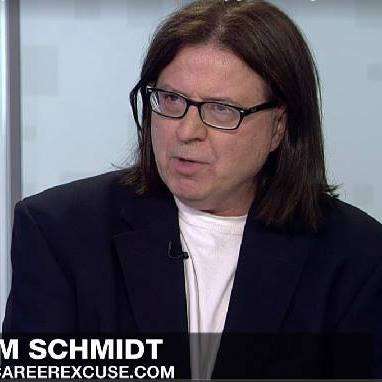
Article by
William Schmidt
William Schmidt is a former Fortune 500 recruiter and founder of WorkReferences.com, a pioneering employment verification and professional reference service established in 2009. With extensive experience working alongside hiring managers, recruiters, and background screening agencies, he helps job seekers overcome career obstacles through credible, third-party verification solutions that strengthen resumes and restore confidence in the hiring process