

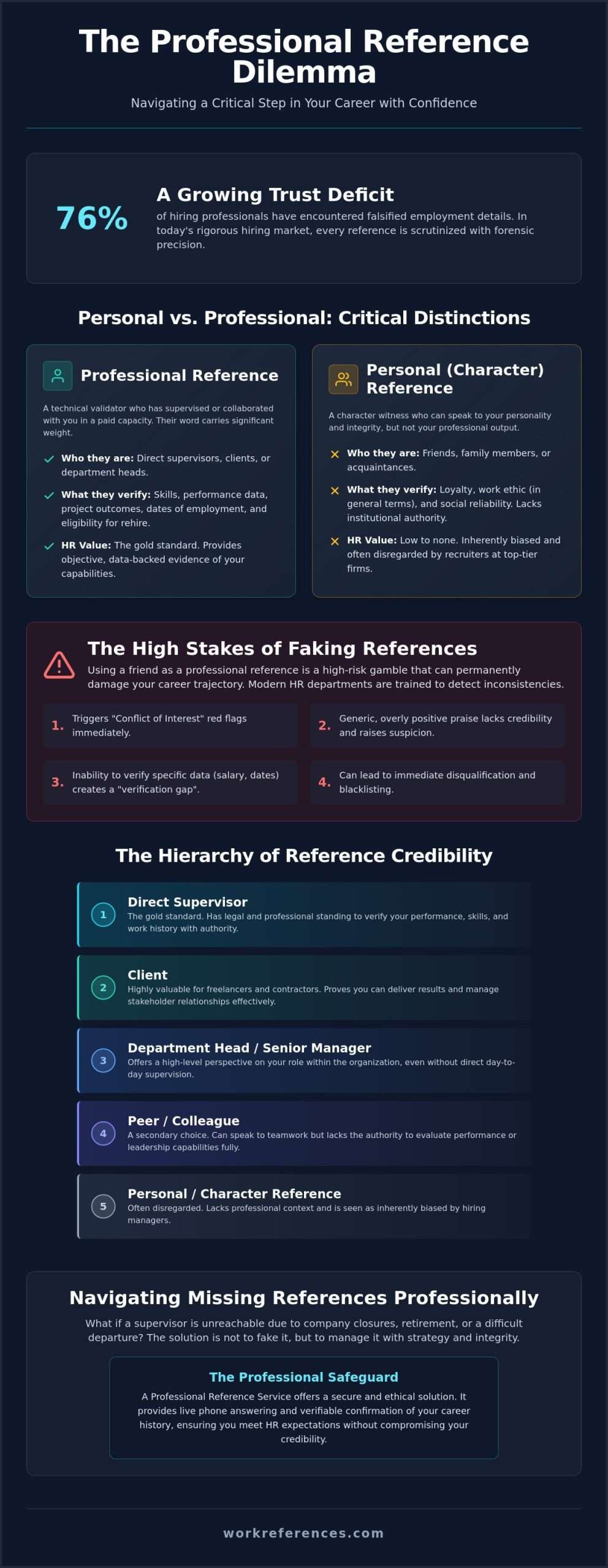
Did you know that 76 percent of hiring professionals globally have already encountered falsified employment details in 2026? When you’re standing on the threshold of a career-defining role, the pressure to provide a perfect list of contacts is immense. It’s tempting to consider using a friend as a professional reference when a former supervisor is unreachable or an employment gap creates anxiety. You want to present your best self, and you know a close contact will naturally vouch for your character.
We recognize the inherent anxiety of these professional hurdles. While your intentions are honest, the risks of blurring personal and professional lines are significant in an era of heightened verification. This article provides the clarity you need to meet HR expectations with prepared confidence. You’ll learn exactly how to distinguish between different reference types and discover how to facilitate a seamless background check. We will explore the mechanics of professional validation and the strategic steps you can take to protect your career trajectory.
Key Takeaways
- Distinguish between personal character witnesses and professional supervisors to ensure your application carries the necessary verification weight.
- Evaluate the high-stakes risks of using a friend as a professional reference, specifically how modern HR departments identify and disqualify illegitimate contact numbers.
- Master the protocol for documenting missing supervisors due to company closures or retirements without compromising your professional credibility.
- Explore how a Professional Reference Package offers a secure safeguard by providing live phone answering and verifiable confirmation of your career history.
The Dilemma: Is Using a Friend as a Professional Reference Ever Acceptable?
A professional reference is a specific, high-value asset. It represents a validator who has directly supervised your work or collaborated with you in a paid, professional capacity. This individual can speak to your technical skills, your ability to meet deadlines, and your performance under corporate pressure. In contrast, a personal reference focuses on your character, integrity, and social reliability. While having a high moral standing is admirable, recruiters prioritize your professional output over your personality. They need to know you can do the job, not just that you’re a “good person.”
Many job seekers fall into the “temptation trap” of using a friend as a professional reference to mask uncomfortable realities. Perhaps you have a significant employment gap you’re trying to hide. Maybe your last departure was less than ideal, and you’re terrified of what your former manager might say. In these moments of anxiety, listing a loyal friend feels like a safe harbor. However, the 2026 hiring market is more rigorous than ever. With reports showing that 76 percent of hiring professionals have encountered falsified employment details, firms have shifted toward aggressive verification protocols. Your employment reference or job reference is now scrutinized with forensic precision.
When a Friend Crosses the Professional Line
There are rare instances where a friend was also your direct supervisor or a high-level client. While this seems like a perfect scenario, it creates a “Conflict of Interest” red flag. HR managers are trained to detect overly glowing, non-specific praise that lacks the objective distance expected in corporate evaluations. If the relationship feels too personal, the reference’s “verification weight” drops to zero. In 2026, the professional reference standard requires a validator to provide objective, data-backed evidence of your work history within a documented organizational framework.
The “Character Reference” Misconception
Recruiters at top-tier firms rarely request character references. Personal testimonials are often ignored because they are inherently biased. A friend will always say you’re hardworking, but they can’t verify your contribution to a specific quarterly revenue target or a complex software rollout. If you lack traditional supervisors, you need a strategy that moves beyond social ties. Understanding the mechanics of professional validation is essential for securing high-level roles. For a deeper look at how to navigate these hurdles, consult our Ultimate Guide to Professional Job Reference Services. Credibility is your most valuable currency; don’t spend it on a reference that doesn’t count.
Personal vs. Professional References: Critical Distinctions
Human Resources departments don’t just call references to hear good things about you. They’re performing a diagnostic check on your past performance. When using a friend as a professional reference, you’re often providing a character witness rather than a technical validator. HR seeks specific data: your exact dates of employment, your primary responsibilities, and your eligibility for rehire. A friend can speak to your loyalty, but they lack the institutional authority to verify your salary grade or disciplinary record. This creates a “verification gap” that can stall your background check.
Modern hiring managers prioritize “verifiable” supervisors over “available” friends because supervisors carry significantly more weight in the decision-making process. A peer might be a secondary choice, but they often lack the perspective to evaluate your growth or leadership capabilities. If a reference is “too nice” or offers generic praise without specific performance data, it triggers suspicion. Recruiters look for objective critiques and measurable achievements. If you’re worried about how your history looks to a skeptical recruiter, you can consult with our team to ensure your credentials stand up to scrutiny.
The Hierarchy of Reference Credibility
Not all references are created equal. To secure a high-stakes role, you should aim for the highest level of credibility possible. The standard hierarchy includes:
- Direct Supervisor: The gold standard. They have the legal and professional standing to verify your output.
- Client: Highly valuable for contractors or freelancers, proving you can deliver results for stakeholders.
- Colleague: Useful for confirming teamwork, but carries less weight than a manager.
- Mentor: Can vouch for your potential, though they may not have seen your day-to-day work.
- Friend: The lowest tier. In a corporate setting, these are often dismissed as biased.
If you must use a peer, ensure they acted in a lead or project management capacity. This adds a layer of professional distance that HR respects. A peer who simply worked alongside you cannot provide the same level of oversight that a team lead can verify.
Questions Your References Must Be Able to Answer
A legitimate professional reference should be prepared for a rigorous interview. Can your contact answer the following technical questions?
- What were the candidate’s specific Key Performance Indicators (KPIs)?
- How did they handle a specific failure or technical setback?
- What was their attendance record and reliability like during peak seasons?
A friend might handle soft-skill questions about your personality, but they’ll likely stumble on these performance-based inquiries. If your potential reference lacks “professional depth,” they might inadvertently damage your credibility during the call. Authenticity is impossible to fake when a seasoned recruiter starts digging into technical specifics.
The High Stakes of “Faking” Professional References
Attempting to bypass the verification process by providing a non-professional contact is more than a minor shortcut; it’s a career-ending move. In an environment where a 2026 report from GCheck indicated that 93 percent of job seekers admitted to some form of misrepresentation, HR departments have developed advanced countermeasures. The legal and professional risks of providing false information during a background check are absolute. If you’re caught, the damage isn’t just a lost interview. You face immediate disqualification and long-term reputational harm that follows you across the industry. Recruiter networks are tight, and being flagged for reference fraud can effectively bar you from top-tier roles for years.
How HR Detects a “Friend” Reference
Modern background screening services use sophisticated technology to flag “disposable” or personal phone numbers that don’t align with corporate records. When you consider using a friend as a professional reference, you’re competing against databases and automated verification systems that cross-reference employment history in seconds. Red flags include the lack of a corporate email address and hesitant, scripted answers to technical performance questions. If your contact offers overly generic praise without specific metrics or KPIs, recruiters will quickly pivot to “Backdoor Reference Checks.” This involves HR independently finding your former colleagues or managers on professional networks to verify your claims without your involvement. In 2026, your digital footprint is a permanent record that hiring managers use to audit every name on your list for authenticity.
The Consequences of Getting Caught
The most immediate result of reference fraud is the immediate withdrawal of your job offer. However, the risk doesn’t end on your first day of work. Many employment contracts include clauses that allow for immediate termination if application fraud is discovered months or even years later. You essentially live with a ticking time bomb under your professional reputation, knowing that a single audit could end your tenure. Beyond your current employer, you risk being blacklisted by high-level recruiters who maintain internal databases on candidate integrity. Before you take a gamble that could permanently derail your future, read The Truth About Fake References to understand the full scope of risk analysis in the modern market. Credibility is difficult to build and nearly impossible to restore once it’s broken.
How to Legally and Professionally Navigate Missing References
Missing a supervisor doesn’t have to mean missing a job offer. While the temptation of using a friend as a professional reference is high when you’re facing a gap, there are legitimate, procedural ways to fill that void. Start by auditing your professional network for “hidden” supervisors. These are individuals like project leads, high-level clients, or vendor managers who oversaw your deliverables even if they weren’t your direct HR manager. These contacts carry significantly more “verification weight” than a personal acquaintance because they can speak to your professional output within a specific corporate framework.
Next, document exactly why a specific supervisor is unavailable. Whether it’s a company closure, a retirement, or a career change, having a clear explanation ready for HR projects an image of integrity. You should also ensure your resume and reference list align perfectly. Discrepancies between your reported work history and your available validators are immediate red flags for modern background screening services. If you’re struggling to bridge these gaps with your current network, you can reach out to our career advocates for a strategic consultation on securing your work history.
Handling References for Closed Companies
Verifying employment for a business that no longer exists is a common challenge for mid-career professionals. In these cases, HR departments look for “Third-Party Confirmation” to validate your claims. You can provide tax records, old performance reviews, or utilize a specialized service that offers live phone answering to confirm your role. For a detailed roadmap on managing these specific hurdles, see our guide on References for Closed Companies. Documentation is your primary defense against skepticism.
What to Do When a Manager Is Unresponsive
If a former manager hasn’t replied to your outreach, don’t panic. Start with a professional, low-pressure template that reminds them of your past contributions and the specific role you’re pursuing. If they remain silent, it’s often more effective to pivot to a Professional Reference Package rather than risking your credibility by using a friend as a professional reference. You can explain a manager’s unavailability to a recruiter by simply stating they’ve moved on to a role with strict non-disclosure policies or have retired from the industry. This keeps the focus on your qualifications rather than the missing contact.
Securing Your Career with Verified Professional Reference Services
In a hiring environment where 89 percent of hiring managers plan to add more background screening and identity verification solutions by 2028, leaving your verification to chance is a high-stakes gamble. Professional reference services provide a sophisticated layer of security by offering legitimate, third-party confirmation of your work history. Instead of relying on an informal contact who may lack the necessary professional depth, these services ensure that every inquiry is met with authoritative, corporate-aligned responses. This process involves more than just a phone call; it’s about maintaining a consistent narrative that validates your resume and protects your credibility.
For senior leaders, the stakes are even higher. The average cost of a bad hire for senior roles can reach $100,000, leading companies to utilize forensic-level background checks. Our Executive Reference Package is specifically designed for these high-tier transitions, providing the high-level validation that executive recruiters demand. By integrating live phone answering and career consulting, these services ensure that your professional reputation remains unassailable. You aren’t just filling a gap; you’re building a foundation of procedural integrity that meets 2026’s rigorous HR standards.
Why a Service Beats a “Friend” Every Time
Reliability is the primary failure point when using a friend as a professional reference. Friends have personal lives, shifting schedules, and may not be prepared to handle a rigorous technical interview at a moment’s notice. A professional service is prepared to answer inquiries with meticulous detail, ensuring no missed opportunities due to an unreachable contact. Credibility is also a factor; recruiters can easily distinguish between a personal cell phone and a corporate-aligned communication line. By using a verified service, you avoid the “fraud” tag and the devastating consequences of being blacklisted by industry recruiters.
Taking the Next Step Toward Your New Role
Proactive management is the key to a successful career transition. Before you even start the interview process, you must evaluate your current list for “weak links.” If a contact is unresponsive, retired, or lacks the technical knowledge to vouch for your KPIs, they are a liability. Securing your future requires a strategic approach that prioritizes legitimacy and speed. Don’t wait for a recruiter to flag a discrepancy before you act. We invite you to explore WorkReferences pricing and packages to secure your professional future and step into your next role with prepared confidence.
Protect Your Professional Integrity
Navigating the final stages of a job search requires more than just a polished resume. It demands a verification strategy that stands up to the rigorous standards of modern HR departments. We’ve explored the significant credibility gap created by using a friend as a professional reference, a move that often triggers fraud alerts in automated screening systems. Instead of risking your reputation on an informal character witness, you must prioritize legitimate, verifiable work history that aligns with corporate expectations.
Our team provides the essential safeguards you need to move forward with confidence. With national coverage across all professional industries, we offer live phone answering for all reference checks and executive-level career documentation support. This ensures your background check is a seamless validation of your skills rather than a source of anxiety. Don’t let a missing supervisor or an employment gap derail your advancement. Secure your next job offer with a Professional Reference Package and step into your new role with total certainty. Your future is too valuable to leave to chance.
Frequently Asked Questions
Can I use a friend as a professional reference if we worked together?
You can use a friend if they held a supervisory or leadership role over your work during your tenure. However, if the relationship was strictly peer to peer, HR will view their input as biased and lacking verification weight. It’s essential to maintain a professional boundary during the call to avoid conflict of interest red flags that modern recruiters are trained to identify.
What happens if an employer finds out my reference is a friend?
Disclosing or being caught using a friend as a professional reference often leads to the immediate withdrawal of a job offer. In the 2026 market, where 76 percent of hiring professionals have encountered falsified details, firms treat this as a serious integrity violation. This can lead to being blacklisted by recruitment agencies or immediate termination if discovered after you’ve started the role.
Do employers actually call every reference on your list?
Most high stakes corporate employers will call every reference provided to ensure a consistent narrative across your application. While some entry level roles may only check one contact, senior positions often involve rigorous verification of all names on your list. Recruiters use these calls to cross reference your technical KPIs and attendance records against the claims made on your resume.
How do I handle a reference for a company that is now closed?
You should provide alternative documentation such as past performance reviews or utilize a professional verification service to bridge the gap. When a company is closed, HR looks for third party confirmation to validate your tenure and responsibilities. Providing a contact who can offer live phone answering for these specific cases helps maintain your credibility without raising suspicion about your work history.
Is it illegal to use a fake reference for a job application?
While rarely a criminal offense in the private sector, using a fake reference is considered application fraud and provides legal grounds for immediate termination. It’s a breach of contract that allows employers to fire you without severance or notice. In government roles or licensed professions, misrepresentation can lead to more severe legal consequences or the permanent loss of your professional certifications.
How many professional references do I typically need in 2026?
Most employers in 2026 require a minimum of three professional references to complete the background screening process. This list should ideally include at least two direct supervisors from your most recent roles. Having a diverse list that includes a client or a project lead can also add depth to your candidacy, provided they can verify your professional output and reliability.
What is the difference between an employment verification and a reference check?
Employment verification is a factual audit of your job titles and dates of service, while a reference check is a qualitative assessment of your performance. using a friend as a professional reference fails because they cannot provide the authoritative data required for a factual verification. Reference checks focus on soft skills and reliability, but they still require a validator with professional standing.
Can a coworker serve as a professional reference instead of a boss?
A coworker can serve as a reference, but they are generally viewed as secondary to a direct supervisor in the eyes of HR. If you must use a peer, it’s best to select someone who acted as a team lead or project manager. This provides the necessary professional distance and technical oversight that hiring managers require to feel confident in your past performance.
Article by
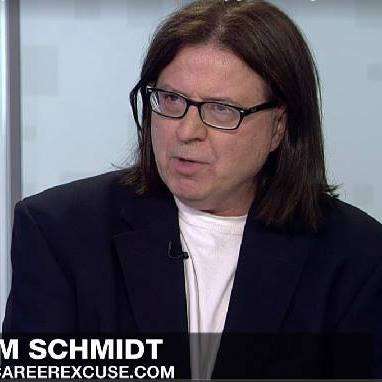
William Schmidt
William Schmidt is a former Fortune 500 recruiter and founder of WorkReferences.com, a pioneering employment verification and professional reference service established in 2009. With extensive experience working alongside hiring managers, recruiters, and background screening agencies, he helps job seekers overcome career obstacles through credible, third-party verification solutions that strengthen resumes and restore confidence in the hiring process