

With 87% of businesses now conducting reference checks as a mandatory part of pre-employment screening, this final stage is far from a formality. It’s a strategic verification of your entire professional narrative. You’ve likely felt that familiar surge of anxiety: what if a former manager gives a lukewarm response, or how do you handle a company that no longer exists? You need to know exactly what questions do employers ask references because the stakes are higher than ever. In 2026, the average cost of a bad hire exceeds $17,000, making hiring managers more meticulous and risk-averse during their final due diligence.
We understand that your career advancement shouldn’t be derailed by a single past performance review or a missing contact. This guide provides a clear list of expected questions, including the high-stakes “would you rehire” inquiry and new behavioral assessments. We’ll also examine the May 2026 EEOC and FTC guidance to ensure your legal rights are protected throughout the process. From prepping your advocates to utilizing a Professional Reference Package to solve for missing verification, you’ll gain the strategy needed to move from concern to prepared confidence.
Key Takeaways
- Understand that reference checks are a standard compliance procedure used by over 90% of employers to validate your professional claims.
- Discover the five core categories of what questions do employers ask references, ranging from basic identity verification to complex behavioral assessments.
- Learn how to navigate high-stakes “killer” questions, such as your eligibility for rehire, which can serve as a definitive deal-breaker for corporate HR.
- Master a proactive briefing strategy to transform your references from simple contacts into strategic partners who can speak to your specific competencies.
- Find professional solutions for verifying your history when past companies have closed or when you have significant employment gaps to explain.
The Anatomy of a Verification: Do Employers Actually Call References?
A reference check is a standard corporate compliance procedure designed to validate a candidate’s claims and mitigate professional risk. It’s the final gatekeeper in the hiring funnel. While some candidates assume these calls are rarely made, the data suggests otherwise. According to current industry research, 87% of businesses conduct a formal reference or employment background check before finalizing a hire. This isn’t just about verifying your start and end dates. It’s a high-stakes interrogation of your professional history.
The industry has shifted. In the past, a ‘character reference’ from a family friend might have sufficed. Today, the focus is strictly on performance verification. Hiring managers use these conversations to de-risk their investment. When you consider that the average cost of a bad hire in 2026 is over $17,000, it’s clear why they don’t take your word for it. They need to know what questions do employers ask references to ensure your past performance predicts future success.
When and Why the Call Happens
Usually, if a recruiter asks for references, you’re in the final stage of the process. It signals a pending offer. However, the method of verification is changing. Many firms now use automated written questionnaires to ensure legal compliance and gather candid, thoughtful feedback. Whether it’s a digital form or a live interview, the goal remains the same. Recruiters use these contacts to confirm your technical skills while assessing your ‘cultural fit’ within the existing team dynamic. They want to hear how you handle pressure before they commit their budget.
The Stakes of the Professional Reference
A lukewarm or neutral reference can be just as damaging as an explicitly negative one. In a highly competitive market, ‘he was fine’ is a red flag. Recruiters are trained to listen for what isn’t said. Because the cost of a bad hire includes recruitment expenses, onboarding, and lost productivity, hiring managers are becoming more aggressive in their questioning. Understanding how professional reference services work can help you identify potential weak points in your history before they cost you the offer. You cannot afford to leave this final hurdle to chance.
The 5 Core Categories of Reference Check Questions
Understanding the framework of the reference call is the first step toward securing your offer. Recruiters don’t just ask random questions; they follow a structured methodology designed to expose inconsistencies in your narrative. To prepare effectively, you must categorize what questions do employers ask references into five distinct pillars. These categories move from simple factual verification to complex psychological assessments of your work character.
When analyzing the standard questions to ask in a reference check, it becomes clear that recruiters follow a specific hierarchy of inquiry. They start with identity and verification to ensure the basics match your resume. From there, they pivot to performance and competency, assessing the actual quality of your output. The middle of the call usually focuses on soft skills and behavioral traits, while the end addresses your weaknesses and the high-stakes “rehire status” question.
Introductory and Verification Questions
These initial questions are binary and factual. They’re designed to catch resume inflation or timeline discrepancies. If you are concerned about how a former manager might categorize your past roles, you can speak with our advocates to develop a proactive strategy. Common inquiries in this phase include:
- How long have you known the candidate and in what capacity did you work together?
- Can you confirm their final job title and primary responsibilities during their tenure?
- Were they a full-time, part-time, or contract employee?
Performance and Work Style Deep-Dives
This is where the conversation becomes more nuanced. Since 89% of recruiters report that bad hires typically lack essential soft skills, this section of the interview is critical. Hiring managers want to know how you operate when the stakes are high. They’re looking for specific examples of your reliability and autonomy. Typical deep-dive questions include:
- How does the candidate handle tight deadlines or high-pressure environments?
- Describe their ability to work autonomously versus as part of a team.
- What was their most significant contribution to your organization?
Identifying your “growth areas” is another standard tactic. Recruiters aren’t just looking for flaws; they’re looking for how you respond to critical feedback. Finally, the call concludes with the ultimate verdict: “Would you rehire this individual?” In the corporate world, anything other than a definitive “yes” is often interpreted as a “no.” Knowing what questions do employers ask references allows you to brief your advocates so they can navigate these high-pressure moments with authenticity and precision.

Addressing the ‘Killer’ Questions: Red Flags and Rehire Status
While most of the reference check focuses on your past achievements, the conversation eventually shifts toward potential liabilities. This is where the “killer” questions emerge. Recruiters use specific, high-pressure inquiries to identify red flags that your resume might have obscured. Understanding what questions do employers ask references during this phase is vital because a single hesitant answer can dismantle weeks of interviewing progress. They aren’t just looking for your strengths; they’re actively hunting for reasons to say “no” to protect their organization from a high-risk hire.
The Rehire Status Trap
The most significant question in any reference check is: “Would you rehire this individual?” For many corporate HR departments, a “no” or even a hesitant “I’d have to check policy” is the ultimate deal-breaker. You may think a company’s “neutral reference policy” (only confirming dates and titles) protects you, but seasoned recruiters often interpret this silence as a warning sign. They know that managers find ways to signal enthusiasm if a candidate was truly exceptional. Being designated as ‘Eligible for Rehire’ serves as the gold standard of professional validation in modern human resources. If your former employer cannot or will not confirm this status, your candidacy is immediately at risk.
Soft Skill and Character Probing
Recruiters also use indirect methods to probe for weaknesses without asking illegal or overly aggressive questions. They may ask your reference to rate your performance on a scale of 1 to 10. A “7” might sound polite to your former boss, but in a competitive hiring environment, it’s often viewed as a failure. Other common probes include:
- “What areas did the candidate need to improve upon during their final year?”
- “Describe a time when their punctuality or reliability impacted the team.”
- “How did they respond when given critical feedback on a major project?”
These questions are designed to reveal if your reference truly supports your candidacy or is simply being polite. A lukewarm response to “what areas did they need to improve?” can be devastating if the reference lists a core competency for the new role. If you’re unsure how your former managers will handle these inquiries, investing in a Professional Reference Package can provide the clarity and security you need. It’s better to discover a potential red flag through a private verification process than to lose a dream job offer at the final hurdle.
How to Prepare Your References for a Successful Call
Don’t leave your professional reputation to chance. Most candidates treat their reference list as a passive document, but top-tier professionals view their references as strategic partners. This stage requires meticulous preparation to ensure your narrative remains consistent from the first interview to the final verification. You aren’t just looking for someone who likes you; you need advocates who can validate specific competencies required for the new role. When you understand what questions do employers ask references, you can transform your advocates from passive observers into active participants in your career advancement.
The briefing process is your most powerful tool for de-risking this final hurdle. Your references are busy professionals who may not recall the nuances of a project you completed years ago. Provide them with your updated resume and the specific job description for the position you’re pursuing. This allows them to align their testimony with the hiring manager’s current needs. Consistency is paramount. If your resume claims you managed a specific budget but your reference recalls a significantly lower figure, the discrepancy will trigger an immediate compliance review. By anticipating what questions do employers ask references, you can ensure your advocates are prepared for the specific behavioral inquiries that often catch people off guard.
The Strategic Reference Briefing
Remind your reference of the specific challenges you overcame together. If the new role requires crisis management, ask them to highlight the time you stabilized a failing account or met a critical deadline under pressure. This alignment ensures that their answers reinforce your interview narrative. For more depth on this alignment, read about What Hiring Managers Look for in Reference Checks. Your goal is to eliminate any “lukewarm” or hesitant responses by providing your contacts with the necessary context to speak with authority and conviction.
Ensuring Availability and Responsiveness
A reference who is unreachable is a significant liability. If a recruiter has to wait more than three business days for a return call, they may assume your advocate is reluctant to speak or that you’ve provided outdated contact data. Verify that your contacts are not on vacation and that their phone numbers and email addresses are current. For high-level roles, live phone answering remains the preferred method for verification. If you’re concerned about the responsiveness or quality of your current list, contact our team today to discuss how an Executive Reference Package can safeguard your professional transition.
Strategic Solutions for Employment Gaps and Closed Companies
Career paths are rarely linear. You may have worked for a startup that folded or took time off for personal development. While these are common experiences, they present significant hurdles during a high-stakes background check. When a recruiter cannot reach a former supervisor because the organization no longer exists, it creates a “verification gap.” This silence is often flagged as a risk by automated screening software. You must be prepared for what questions do employers ask references when your professional history contains these “ghost” companies, as the burden of proof shifts directly to you.
Addressing employment gaps requires a similar level of strategic management. If a background check returns an unverified period of several months, it can trigger a failure in the compliance process. In 2026, 81% of U.S. employers utilize skills-based hiring, meaning they are less concerned with the gap itself and more concerned with the lack of verification for your activities during that time. Professional reference services act as a legitimate safeguard, providing the procedural integrity needed to move your application from a state of concern to a final offer.
Handling Defunct or Closed Employers
A “Company Closed” status is a frequent red flag for modern compliance departments. If an automated system cannot verify your tenure or job title through a corporate database, your application may be stalled indefinitely. You need a credible third-party verification to bridge this gap. Providing a documented, professional history through a Professional Reference Package ensures that your tenure is validated even if the original entity is defunct. Without this safeguard, you risk losing an offer simply because a former employer failed to remain in business. For a comprehensive strategy on securing references for closed companies using 2026 verification standards, including how to leverage historical tax documentation and professional alternatives, we provide the stability and authenticity that corporate recruiters demand.
The WorkReferences Advantage
We act as your sophisticated guide through the hidden hurdles of the hiring world. Our service provides live phone answering to ensure that no recruiter call goes unanswered. This is critical; a missed call or a dead-end number is often interpreted as a lack of professional reliability. We ensure that your resume and reference testimony are perfectly aligned, preventing the “discrepancy” flags that trigger pre-adverse action notices under the May 2026 EEOC guidance. By anticipating what questions do employers ask references, we provide a secure, legitimate path forward for candidates with complex histories.
Your career advancement is too important to leave to the whims of a defunct company’s missing records or an unresponsive former manager. We offer the professional authority and meticulous attention to detail required to pass the highest level of corporate scrutiny. Our role is to act as your vigilant career advocate, ensuring your past is an asset rather than a liability. Secure your job offer with professional reference support today.
Secure Your Professional Future with Strategic Verification
The reference check is the final barrier between your current status and your next major career advancement. It’s a meticulous verification of your professional narrative rather than a simple conversation. You now understand how to identify red flags and provide credible solutions for defunct companies or employment gaps. Simply knowing what questions do employers ask references isn’t enough to guarantee success in a high-stakes corporate environment. You need a strategic partner to ensure your history stands up to the highest level of scrutiny.
Our team provides the procedural integrity your career deserves. Through professional live phone answering, expert resume-reference alignment, and 3rd party employment verification, we act as your vigilant advocate in the hiring world. Don’t let a lukewarm response or an unverified timeline derail your progress at the final hurdle. Don’t leave your job offer to chance; get professional reference support now. Your future is within reach, and with the right preparation, you can step into your new role with absolute confidence.
Frequently Asked Questions
Can an employer ask about my salary history during a reference check?
Whether an employer can ask about your salary history depends on your specific jurisdiction. Many U.S. states and cities have enacted bans on salary history inquiries to promote pay equity and prevent past wage gaps from following candidates. Most corporate recruiters avoid this question entirely to mitigate legal risk. They prefer to focus on your professional achievements and performance metrics rather than specific dollar amounts from your previous roles.
What happens if my former manager gives me a bad reference?
A negative reference often results in the immediate withdrawal of a conditional job offer. Under the May 2026 EEOC and FTC guidance, if information from a reference or background check leads to a negative hiring decision, the employer must provide you with a copy of the report. You have a right to a “Summary of Rights” and a waiting period of at least five business days to respond to the findings before the decision is finalized.
Do employers check references if they aren’t going to hire you?
Generally, no. Reference checking is a resource-intensive process that 87% of businesses reserve for their final one or two candidates. If a hiring manager requests your reference list, it’s a strong signal that you’ve passed the technical interviews. They’re now moving into the final compliance phase to de-risk their investment. You should treat this request as a sign that an offer is pending, provided your history is verified.
Is it legal for a reference to disclose personal information?
No, it is illegal for a reference to disclose information regarding protected classes under federal law. This includes your medical history, disabilities, religious beliefs, age, or family planning status. When analyzing what questions do employers ask references, legitimate HR departments stick strictly to work-related performance and conduct. Any disclosure of personal, non-professional information can expose both the reference and the prospective employer to significant legal liability.
How many references do I usually need for a professional position?
Most professional positions require a list of three to five references. You should prioritize former supervisors who have directly managed your work and conducted your performance reviews. Including a mix of managers and perhaps one high-level peer provides a comprehensive view of your professional capabilities. Ensure that every person on your list is briefed and ready to provide a detailed account of your contributions to the organization.
Can I use a co-worker instead of a manager for a reference?
You can use a co-worker, but a supervisory reference is significantly more valuable to a hiring manager. A manager’s testimony carries more weight because they were responsible for your output and professional development. If you cannot provide a manager, a senior colleague who oversaw your projects is a secondary option. However, be prepared to explain why a direct supervisor is not available to avoid triggering concerns about your rehire status.
What should I do if my former company is permanently closed?
You should utilize a third-party verification service to provide a credible record of your employment. When a company is defunct, automated background check software often flags the entry as unverified, which can stall your hiring process. Providing tax documents or using a Professional Reference Package designed for references from closed companies ensures that your dates and titles are validated. This prevents a “ghost” company from becoming a red flag that stops your career progression.
Do jobs actually call every person on my reference list?
Many employers call every person on your list to ensure a consistent narrative across different sources. While some recruiters stop after two positive conversations, meticulous firms will contact everyone to hunt for discrepancies. Understanding what questions do employers ask references allows you to prepare every contact thoroughly. You must assume that every advocate will be reached and that their testimony must align perfectly with your resume and interview claims.
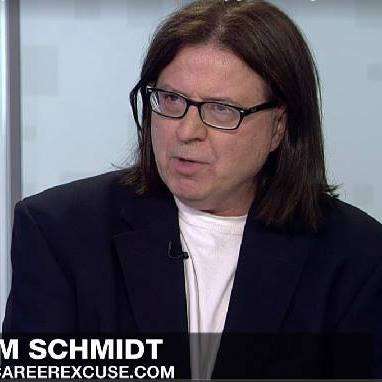
Article by
William Schmidt
William Schmidt is a former Fortune 500 recruiter and founder of WorkReferences.com, a pioneering employment verification and professional reference service established in 2009. With extensive experience working alongside hiring managers, recruiters, and background screening agencies, he helps job seekers overcome career obstacles through credible, third-party verification solutions that strengthen resumes and restore confidence in the hiring process