

What if the only thing standing between you and your dream role is a silent phone line or a bridge burned years ago? You’ve successfully cleared every interview hurdle, but now a single anxiety remains: what if my old boss won’t give me a reference? It’s a high-stakes moment that can feel like a sudden dead end in your professional journey. We understand that this fear isn’t just about a missing phone call; it’s about the potential loss of a hard-earned opportunity due to circumstances beyond your control.
The reality is that 95% of employers still conduct background screenings, and 46% of those verifications reveal discrepancies that can pause a hiring process. You’re right to be concerned about how HR might interpret a missing supervisor’s input. However, a missing reference is a procedural gap to be managed, not a character flaw that disqualifies you. This article will provide you with professional strategies to secure your next job offer, even when a former supervisor is unavailable or unwilling to vouch for you. We’ll detail how to leverage alternative verification methods, understand your legal rights regarding employment history, and present a proactive solution to recruiters that projects confidence and transparency.
Key Takeaways
- Understand the distinction between personal animosity and standard corporate policies that frequently prohibit managers from sharing detailed feedback.
- Gain clarity on the legal landscape surrounding employment verification and why many supervisors prioritize corporate compliance over providing qualitative references.
- Discover how to build a robust list of alternative vouchers, including lateral colleagues and senior leadership, to resolve the concern of what if my old boss won’t give me a reference.
- Learn the specific communication techniques required to frame a reference gap for hiring managers without damaging your professional reputation or disparaging former employers.
- Identify how professional reference services provide an essential safeguard to validate your career history when traditional channels are obstructed.
The Silence Dilemma: Why Former Supervisors Refuse Reference Requests
Why is the phone line silent? You’ve reached the final stage of the hiring process, yet your former supervisor remains unresponsive. It’s a common source of professional anxiety, leading many to ask: what if my old boss won’t give me a reference? Understanding the root cause of this silence is the first step toward resolving it. While it’s easy to assume personal animosity, the reality in 2026 is often dictated by complex corporate compliance and risk management strategies.
Modern recruiters are fully aware of these hurdles. Statistics show that while 95% of employers conduct background screenings, roughly 71% of hiring professionals find traditional reference checks to be a mere compliance step rather than a true evaluation tool. Despite this skepticism, the requirement persists. To navigate this, you must distinguish between a manager who cannot speak due to policy and one who will not speak due to a personal grievance. Understanding what is a professional reference in a modern context reveals that it’s increasingly becoming a verification of facts rather than a testimonial of character.
Corporate Policy vs. Personal Choice
Many organizations have implemented “Verify Only” mandates. These policies strictly forbid managers from providing qualitative feedback, restricting them to confirming job titles and dates of employment. Supervisors often fear the threat of litigation; a single misplaced word could lead to defamation or discrimination claims. If your former employer has a formal policy against personal references, your boss’s silence isn’t a reflection of your work. It’s a calculated legal safeguard. You can often verify these policies by contacting the HR department directly to ask about their standard employment verification procedures.
The Impact of Managerial Turnover
In a volatile job market, managerial turnover creates significant gaps. If your former supervisor has left the company, they may be unreachable or unauthorized to speak on behalf of the firm. This results in “orphan” work histories where no legacy supervisors remain to vouch for your performance. HR departments frequently struggle to verify performance for defunct departments or companies that have undergone major restructuring. These procedural obstacles can stall your momentum. Securing a Professional Reference Package can serve as an essential insurance policy in these scenarios, providing a validated bridge between your past achievements and your future opportunities.
Navigating Corporate Policy and Legal Restrictions on References
Many candidates operate under the assumption that a former employer is legally required to provide a professional recommendation. This is a common misconception that can lead to significant frustration. In reality, most jurisdictions do not legally obligate an employer to vouch for a former staff member. This legal vacuum often leaves job seekers wondering, what if my old boss won’t give me a reference during a critical hiring phase? Understanding these boundaries is vital for maintaining your professional momentum.
The primary driver behind a supervisor’s silence is often the fear of litigation. Defamation concerns have made managers increasingly cautious about sharing any qualitative feedback. If a supervisor provides a negative review, they risk a lawsuit from the former employee. Conversely, if they provide a glowing review for someone who later underperforms or engages in misconduct, they could face “negligent referral” claims from the new employer. To mitigate these risks, many firms adhere to strict legal restrictions on references that prioritize silence over potential liability.
Your protections largely fall under the Fair Credit Reporting Act (FCRA). When a potential employer uses a third-party screening firm, you have specific rights regarding the transparency of that data. If an adverse hiring decision is made based on that report, the employer must provide you with a copy. This transparency allows you to identify if a former boss is providing inaccurate or damaging information behind the scenes. If you are concerned about how your history is being presented, you may want to consult with a specialist to review your options.
The Distinction Between Verification and Recommendation
Employment verification is a factual audit of dates, titles, and occasionally salary history, rather than a subjective evaluation of your performance. While a recommendation is a personal endorsement, a successful verification satisfies the standard requirements of most background checks. You can often pivot the conversation with a prospective HR department by suggesting they contact the corporate HR office for factual verification rather than seeking a personal statement from a specific manager.
Your Rights During the Background Check
You have the right to request a “Do Not Contact” status for specific employers, particularly your current one. However, applying this to a former employer can raise red flags unless you provide a valid procedural reason. Utilizing a Professional Reference Package ensures that your narrative remains consistent and verified. This proactive approach allows you to control the flow of information, ensuring that a single unresponsive manager doesn’t derail your career progression.

Strategic Alternatives: Building a Reference List Without Your Direct Boss
Finding yourself without a direct supervisor’s endorsement can feel like a career-ending obstacle. It isn’t. If you’ve been wondering what if my old boss won’t give me a reference, you must shift your focus toward a broader network of professional observers. Modern hiring managers understand that corporate restructuring, managerial turnover, or personal conflicts can silence a former manager. They’re often willing to accept high-quality alternatives that provide a 360-degree view of your performance.
Strategic backups include project managers, department heads, or cross-functional leads who oversaw your contributions on specific initiatives. These individuals often have a more granular understanding of your technical output than a distant executive. External validation from clients, vendors, or long-term partners is equally potent. These parties provide objective proof of your professional value because their perspective is rooted in the quality of the results you delivered. When you’re considering what to do when your boss won’t be a reference, remember that a satisfied client’s testimonial can carry more weight than a standard HR verification.
The Hierarchy of Credibility
Not all alternative references are viewed equally. A senior-level colleague who observed your work daily is a “Lateral Reference” and holds significant weight if they can speak to your technical proficiency. For those in leadership roles, a “Reverse Reference” from a direct report can demonstrate your efficacy in team management and cultural alignment. You should prioritize “Reference Workers” who possess the authority to validate specific skills mentioned in your job description. This targeted approach ensures that the absence of a primary supervisor doesn’t create a vacuum of credibility.
Preparing Your Alternative References
Many job seekers find themselves paralyzed by the thought: what if my old boss won’t give me a reference? The key is to stop viewing the direct supervisor as the only gatekeeper of your reputation. Never provide a backup reference without a thorough briefing. Your alternatives need to understand the specific narrative of your current application. Provide them with a concise “cheat sheet” detailing your key accomplishments during your shared tenure. This ensures their testimony aligns perfectly with your resume and career documentation. By equipping your advocates with factual data points, you transform a generic endorsement into a powerful validation of your professional history.
Communicating the Reference Gap to Your Future Employer
The moment a recruiter asks for your reference list, a wave of panic often follows for those with a missing supervisor. You might wonder, what if my old boss won’t give me a reference and it looks like I’m hiding a conflict? This anxiety is natural. However, the key to maintaining your professional integrity lies in how you frame the narrative. Silence from a former manager is a logistical hurdle that requires a strategic explanation, not a confession of failure. Your goal is to provide a transparent, policy-driven reason that satisfies HR’s procedural needs without inviting further scrutiny.
Adhere to the golden rule of career transitions: never badmouth a former supervisor. Even if the refusal is rooted in personal animosity or unreasonable behavior, criticizing them to a prospective employer is a significant red flag. It suggests you might be difficult to manage. Instead, pivot the conversation toward neutral factors. Focus on corporate restrictions or simple unavailability. By remaining professional and objective, you project the image of a high-level candidate who understands corporate boundaries.
Timing is critical. You don’t need to volunteer information about a missing reference during the initial interview. Wait until the request for a reference list is officially made. This allows you to build rapport and demonstrate your value first. When the time comes, be prepared to present your alternative advocates alongside a clear, concise explanation for the gap. If you are unsure how to present your history, you can contact our consultants for a strategic review of your specific situation.
Scripts for Explaining the Gap
Having a prepared script ensures you don’t stumble when the question arises. Use these frameworks to keep the conversation focused on facts:
- The Corporate Policy Script: “My former company adheres to a strict neutral-reference-only policy. They’re restricted to verifying only my dates of employment and job titles, so I’ve provided senior colleagues who can speak more deeply to my daily contributions.”
- The MIA Boss Script: “My direct supervisor has since left the firm and is currently unreachable. To ensure you have a complete picture of my performance, I’ve included the department head and a key project lead from that tenure.”
- The Closing the Loop Script: “While my primary manager is unavailable due to a recent departmental restructuring, I have provided two senior-level peers who worked closely on my core projects and can vouch for my technical output.”
Offering Supplemental Documentation
When a verbal reference is missing, “paper references” become your most valuable asset. Performance reviews, commendation emails from leadership, or formal awards serve as objective evidence of your success. Presenting a portfolio of work or a list of documented achievements can also act as a substitute for a phone call. This proactive approach shows you’re prepared and transparent. Before you hand over these documents, ensure your resume validation is current and reflects the same high standards. Providing verified documentation effectively closes the gap, leaving the recruiter with no doubts about your professional credibility.
Securing Your Professional Credibility with Verified Reference Services
The uncertainty of a missing supervisor can halt even the most promising career momentum. You’ve prepared for every technical question, yet the nagging doubt remains: what if my old boss won’t give me a reference? In the current corporate climate, relying on a single individual’s willingness to pick up the phone is a high-risk strategy. Professional reference services have emerged as the essential insurance policy for modern professionals. They provide a layer of procedural security that protects your reputation from the unpredictability of former managers or shifting corporate policies. This proactive approach transforms a potential vulnerability into a demonstration of professional foresight.
WorkReferences serves as a strategic partner in this process. We specialize in bridging the gaps left by defunct companies, unreachable supervisors, or restrictive HR mandates. By utilizing a Professional Reference Package, you ensure that your work history is validated by a credible, third-party entity. This isn’t about fabrication; it’s about legitimizing your actual achievements through a formal verification channel that recruiters trust and recognize. In a world where 95% of employers conduct background screenings, having a verified fallback is no longer a luxury. It’s a necessity for career stability.
The WorkReferences Solution
A primary concern for hiring managers is the “no-answer” red flag. If a recruiter attempts to contact a former boss and receives no response, they often default to caution. This silence is frequently interpreted as a lack of performance or a hidden conflict. Our service mitigates this risk through live phone answering and professional representation. This ensures that every inquiry is met with an authoritative, prepared response that validates your tenure and title. For those who have worked at organizations that no longer exist, it’s vital to have your work history secured for closed companies. This prevents years of experience from simply vanishing from your professional record during a background check.
Final Steps to Your New Career
Before you submit your next application, perform a rigorous audit of your current reference list. Identify any potential blind spots where a manager might be unresponsive or restricted by policy. Don’t wait for a recruiter to point out a gap in your history. Be proactive. Align your resume with your verified references to present a unified, impenetrable narrative of your career success. This level of preparation signals to a future employer that you are a candidate of high integrity and procedural awareness.
Transitioning from anxiety to prepared confidence is the final step in securing your next job offer. You don’t have to leave your future to chance or the whims of a former supervisor. Take control of your professional narrative and ensure your credibility is never in question. Contact our advocates today to safeguard your career and move forward with the certainty you deserve.
Secure Your Professional Future with Confidence
A missing supervisor’s endorsement doesn’t have to be the end of your career advancement. You’ve learned that silence is frequently a matter of corporate policy rather than a personal indictment. By shifting your focus to high-quality lateral references and supplemental documentation, you can satisfy even the most rigorous background check. The question of what if my old boss won’t give me a reference should no longer be a source of anxiety, but a prompt for a more strategic approach to your verification history.
Founded circa 2005, we’ve specialized in career documentation and verification, providing the executive-level support necessary to navigate complex hiring hurdles. We act as your vigilant advocate, ensuring that procedural gaps never derail your hard-earned progress. Don’t leave your next career move to chance or the silence of a former manager. Secure your job offer with a Professional Reference Package today. You’ve done the work; now let’s ensure you get the credit you deserve.
Frequently Asked Questions
Can a former employer legally refuse to give a reference?
Yes, in most jurisdictions, employers aren’t legally mandated to provide a professional reference. Many organizations follow strict neutral-reference policies to mitigate the risk of defamation or discrimination lawsuits. They prioritize corporate compliance over personal recommendations to avoid potential liability. This procedural silence is a standard legal safeguard. It doesn’t necessarily reflect your performance, but rather the firm’s commitment to internal risk management protocols.
Is it a red flag if I don’t use my most recent boss as a reference?
It isn’t a red flag if you provide high-quality alternative vouchers. Recruiters recognize that managerial turnover or restrictive policies often lead candidates to ask: what if my old boss won’t give me a reference? You can satisfy HR by providing lateral peers or senior project leads who have direct knowledge of your technical output. These alternatives project transparency and professional preparedness, ensuring the absence of one supervisor doesn’t stall your momentum.
What should I do if my former company has gone out of business?
You should utilize supplemental documentation to verify your professional tenure. Pay stubs, tax records, or commendation emails serve as objective proof of your employment history. If the entity no longer exists, a professional verification service can provide a formal bridge to secure your history. This ensures your hard-earned experience remains a valid part of your professional record. It protects your career continuity despite company closures or restructuring.
How do I know what my former boss will say about me?
The most effective way to determine what a supervisor will say is to conduct a proactive verification check. You can use a third-party service to contact the manager and document the feedback provided. This identifies potential blind spots before they impact a job offer. Knowing the facts allows you to address discrepancies or frame your narrative with total confidence. It’s an essential step in maintaining procedural integrity during your transition.
Can I use a coworker instead of a manager for a reference check?
Yes, you can use a coworker, particularly if they held a senior or lead role on your projects. While a direct supervisor is traditional, a lateral reference from someone who observed your daily contributions is highly valuable. Clearly identify their relationship to your work. Brief them on the core competencies required for the new role. This ensures their testimony remains focused, professional, and aligned with your career documentation.
What happens if a recruiter calls a reference and they don’t answer?
A no-answer red flag can significantly stall your hiring process. Recruiters often interpret silence as a lack of professional courtesy or a sign that the candidate is not well-regarded. It creates a vacuum of information that leads to hiring caution. Utilizing a service with live phone answering ensures that every inquiry is met with an authoritative response. This maintains your professional momentum and prevents unreturned calls from damaging your credibility.
Is it legal to use a professional reference service for employment verification?
It’s entirely legal and increasingly common to use professional services for employment verification. These services provide factual data regarding your job titles and dates of employment, which satisfies the standard requirements for 95% of background screenings. It’s a legitimate safeguard for candidates facing orphan work histories or uncooperative managers. This ensures your career documentation remains accurate and accessible to recruiters. It’s a strategic partner in your job search.
How can I explain a bad relationship with a former boss to a new employer?
Frame the situation as a mismatch in management style or a departmental restructuring rather than a personal conflict. Focus on the objective results you achieved during that tenure. If you’re worried about what if my old boss won’t give me a reference, use policy-based explanations like corporate restrictions. This maintains your professional integrity while pivoting the recruiter’s focus back to your technical qualifications. It projects an image of a sophisticated, high-level candidate.
Article by
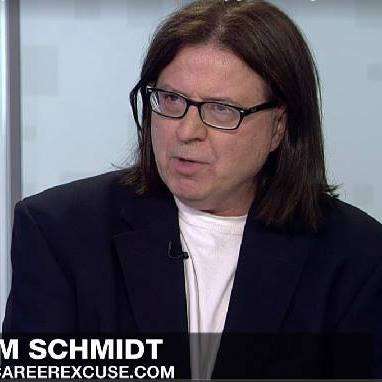
William Schmidt
William Schmidt is a former Fortune 500 recruiter and founder of WorkReferences.com, a pioneering employment verification and professional reference service established in 2009. With extensive experience working alongside hiring managers, recruiters, and background screening agencies, he helps job seekers overcome career obstacles through credible, third-party verification solutions that strengthen resumes and restore confidence in the hiring process