

Your executive reference is no longer a mere character voucher; it’s a strategic asset that must mirror your fiduciary maturity and leadership record. In a 2026 hiring environment where corporate scrutiny has reached unprecedented levels, a standard list of contacts is often insufficient. You likely need to know how to get an executive reference that carries the weight of a board-level endorsement, even if former supervisors are unreachable or past companies have dissolved. These hurdles are common for senior leaders, but they shouldn’t be allowed to jeopardize a career-defining opportunity.
We recognize the inherent anxiety that accompanies a rigorous 360-degree reference check. It’s natural to worry about consistency between your resume claims and the feedback provided to a search committee during the final stages of a hire. This guide helps you master the high-stakes process of securing and presenting references that protect your professional integrity. We will detail how to manage employment gaps and leverage specialized reference packages to ensure your background verification is as polished as your leadership style.
Key Takeaways
- Shift from standard employment verification to a 360-degree leadership validation that incorporates perspectives from board members, peers, and direct reports.
- Identify professional strategies for how to get an executive reference when navigating complex non-disclosure agreements or verifying history at defunct firms.
- Master the “pre-briefing” process to align your references with the specific key success factors and ROI metrics required for your target role.
- Ensure procedural integrity by utilizing live phone verification services that satisfy the rigorous corporate compliance standards of 2026.
The Weight of Executive-Level References in 2026
The hiring board isn’t merely looking for a confirmation of your employment dates or previous titles. They’re seeking a 360-degree validation of your character, strategic foresight, and personal integrity. In the current C-suite market, a reference is a strategic asset. It serves as a qualitative testament to your ability to manage high-stakes risk and drive shareholder value. Standard employment verification is often a transactional HR process, but executive references are transformational. They provide the narrative depth that a resume cannot convey alone.
In 2026, the rise of AI-driven background checks has made consistency more critical than ever. Automated systems now cross-reference your public statements, past filings, and resume claims with terrifying precision. Any discrepancy between your self-reported history and the testimony of your peers can trigger an immediate red flag. This is why understanding how to get an executive reference that aligns perfectly with your professional narrative is essential. Boards prioritize peer-level feedback because they want to know how you interact with equals and superiors, not just how you manage subordinates. They’re looking for proof of your influence within the inner circle of leadership.
Why Boards Demand More Than Simple Verification
Fiduciary responsibility drives the intensity of modern executive screening. A single “bad hire” at the leadership level can cost a firm millions in market capitalization and years of lost momentum. Because of this, reference questioning has shifted toward behavioral-based inquiries. Recruiters don’t just ask if you were a good leader; they ask for specific examples of how you navigated a fiscal crisis or a hostile takeover. Executive Due Diligence in 2026 is defined as the multi-layered verification of a leader’s strategic impact, ethical track record, and peer-perceived influence within a high-stakes corporate environment.
The Role of Cultural Alignment in Reference Checks
References are the primary tool used to validate your ability to lead through organizational change. While your technical skills are rarely in doubt at this level, your cultural alignment is always under the microscope. Recruiters use reference calls to identify “blind spots” that didn’t emerge during the interview phase. They’re looking for nuances in your communication style, your resilience under pressure, and your ability to influence stakeholders without formal authority. If your references can’t speak to these soft skills with specific, data-backed anecdotes, your candidacy may stall. Securing a high-level offer requires a reference circle that can articulate your unique leadership DNA with absolute clarity.
Curating Your Reference Circle: Who Qualifies as an Executive Peer?
Building a reference list for a senior leadership role requires more than just a collection of favorable opinions. It’s a strategic curation process. For roles commanding $250,000 or more, a single supervisor’s word isn’t enough to satisfy a search committee. You need a hierarchy of influence that validates your performance from every angle of the organization. If you’re wondering how to get an executive reference that truly moves the needle, you must look beyond your immediate reporting line. A robust list typically includes five distinct voices: a board member, two C-suite peers, a strategic partner or client, and a high-performing direct report.
This “leadership 360” approach is vital. It proves you can manage up, lead across, and inspire down. While it’s tempting to only list people who will offer glowing praise, recruiters are trained to spot “vanity references.” They want to speak with individuals who have seen you make hard decisions under fiscal pressure. If your current network feels thin due to long tenures or recent restructuring, you might consider professional support to bridge the gap. You can consult with an advocate to ensure your list meets these rigorous 2026 benchmarks.
Beyond internal contacts, consider the “External Validator” strategy. This involves using high-value clients or vendors who can attest to your market impact. For a C-suite executive, your reputation with external stakeholders is a key indicator of your ability to represent the firm’s interests. A vendor who can speak to your negotiation style or a client who can verify your commitment to service delivery adds a layer of objectivity that internal references sometimes lack. Balancing your list with these external voices creates a comprehensive picture of your professional footprint.
The Board Member Reference: The Gold Standard
A former Board Chair or Committee Head is the ultimate validator. Their perspective carries more weight than a CEO because they observe your performance through the lens of governance and long-term shareholder value. When asking a board member, be direct but respectful of their time. Frame the request around their unique oversight of your strategic initiatives. You’ll need to brief them on the specific governance challenges of the new role so they can speak to your readiness for board-level scrutiny.
Peer and Subordinate Perspectives
Peers from other departments, such as a CFO speaking for a CTO, prove your cross-functional agility. They demonstrate that you don’t lead in a silo. Simultaneously, including a direct report provides the necessary “leadership 360” perspective. A subordinate can objectively validate your mentorship skills and talent retention rates. These are two metrics that boards prioritize when assessing the health of a leadership transition. You can explore specialized reference services to see how these different perspectives are structured for maximum impact.
Overcoming Executive Reference Challenges: NDAs and Closed Firms
Senior leaders often operate in volatile environments where companies merge, dissolve, or restructure at a rapid pace. These transitions create significant gaps in a professional history that standard background checks cannot easily bridge. If you’ve spent a decade at a high-growth firm that no longer exists, you face a unique challenge in how to get an executive reference that carries weight with a conservative hiring board. These administrative voids aren’t just inconvenient; they’re potential liabilities that can stall a high-stakes hire at the final stage. You cannot leave your career history to chance when the entity that should verify it has vanished.
Managing the narrative of your departure is equally critical. Sensitive exits often involve non-disparagement agreements that limit what a former employer can disclose. While these legal safeguards protect both parties, they often result in a “neutral reference” policy. For a C-suite candidate, a reference that only confirms dates and titles can be a silent killer. It lacks the qualitative endorsement required for roles with significant fiduciary responsibility. It’s your responsibility to ensure that your official reason for leaving is mirrored by every contact you provide. Consistency is the foundation of trust in any executive search.
Verifying History from Defunct Entities
Startups and merged corporations frequently leave no active HR department to answer a recruiter’s call. Standard verification lines go dead, leaving you to prove your own history. Professional verification services are designed to bridge this gap. They provide references for closed companies by acting as a credible, third-party validator of your tenure and impact. This preserves your professional integrity when a former supervisor is unreachable or has moved to a direct competitor, ensuring your record remains intact despite corporate volatility.
Managing Non-Disparagement and Separation Agreements
The “neutral reference” trap is a common hurdle for executives who have signed separation agreements. To navigate this, you need a “Reference of Record” who understands the legal boundaries but can still speak to your leadership maturity. Achieving total resume and reference consistency is the only way to mitigate the risk of a sensitive transition. If your resume highlights a major acquisition but your reference remains silent on the details, the hiring committee may suspect a lack of authenticity. Professional guidance ensures your validators are briefed to support your claims without violating legal constraints.
The Strategic Presentation: How to Prepare Your References
Preparing your references is a high-stakes rehearsal. You’ve already done the heavy lifting of identifying how to get an executive reference that carries significant weight; now you must ensure that contact delivers a flawless performance. A common mistake at the senior level is assuming a former colleague remembers the exact ROI of a project from five years ago. They likely don’t. You must provide them with the specific “Key Success Factors” relevant to your new target role. This isn’t coaching; it’s professional alignment. It ensures that the narrative provided to the recruiter matches the one you’ve built during the interview process.
Timing is another element of your strategic leverage. Don’t release your reference contact information until a verbal offer is on the table or you’ve reached the final round of interviews. Your references are high-value individuals whose time is limited. Protecting them from unnecessary calls preserves the relationship and ensures they remain enthusiastic when the critical call finally comes. By controlling the release of this data, you maintain a level of exclusivity that reinforces your status as a top-tier candidate.
Briefing Your References for Success
Every reference should receive a tailored “Cheat Sheet” containing the job description and your updated resume. Highlight two or three specific themes you want them to emphasize, such as your reputation as a “turnaround expert” or your success in international market expansion. Creating a “Reference Dossier” for your own records allows you to track which contact is best suited for specific queries. If you need assistance organizing these high-stakes communications to ensure procedural integrity, contact our executive team for a strategic consultation.
Handling Backchannel Reference Checks
Executive recruiters often go “off-list” to find the unvarnished truth. These backchannel checks are a standard part of senior-level due diligence in 2026. You must proactively manage your professional reputation across your broader network to mitigate this risk. Ensure your LinkedIn presence and public professional narrative are consistent with your resume claims. You should also prepare for logistical failures, such as what happens when a reference doesn’t answer during a critical window. A missed call can be interpreted as a lack of enthusiasm, so having a backup plan is essential for maintaining momentum.
Executive Reference Services: When Discretion is Mandatory
When your career trajectory reaches the upper echelons of leadership, discretion isn’t just a preference. It’s a requirement. Relying on an outdated HR portal or a generic automated system to verify your legacy can be a fatal mistake in a high-stakes hire. The Executive Reference Package provides the professional validation senior leaders need to protect their reputation during sensitive transitions. If you’re researching how to get an executive reference that satisfies the most meticulous board of directors, you’ll find that a managed solution offers a level of security that personal contacts alone cannot guarantee.
A professional service acts as your Vigilant Career Advocate. We understand the hidden hurdles of the hiring world, from the nuances of non-disparagement clauses to the complexities of verifying history at a firm that has undergone a merger. Our role is to ensure that your career documentation, including your resumes and references, are perfectly synchronized. Any friction in the verification process can create doubt. We eliminate that friction by providing a polished, corporate response that aligns with your leadership record. This level of coordination is the final safeguard for your professional advancement.
The Value of Live Verification for Leadership Roles
Automated verification systems are designed for high-volume, entry-level roles. They’re fundamentally incapable of conveying the nuance required for an $800,000 total compensation package. For a C-suite candidate, “pressing 1 for HR” is an insufficient response that can actually devalue your perceived seniority. Professional reference services provide a live, human interaction that mirrors the professional environment you’ve operated in for decades. WorkReferences ensures procedural integrity for executive verifications by maintaining a sophisticated, live-answer framework that satisfies the rigorous due diligence of global search firms.
Securing Your Professional Legacy
Investing in an Executive Reference Package is an investment in your career security. It’s much more than a verification tool; it’s a strategic audit of your professional standing. Before you submit your next application, it’s vital to conduct a professional reference audit to identify any potential red flags in your history. This proactive approach allows you to address gaps or inconsistencies before they reach a hiring committee. Don’t leave your C-suite transition to chance. Contact WorkReferences today to secure your executive standing and ensure your references are as prepared as you are.
Securing Your Leadership Future
The process of leadership transition in 2026 demands a level of procedural integrity that goes far beyond traditional networking. You’ve seen that a successful C-suite candidacy relies on a 360-degree validation from peers and board members. It also requires a proactive strategy for managing defunct firms and complex non-disclosure agreements. Mastering how to get an executive reference is about more than just making a phone call; it’s about curating a narrative that stands up to the most rigorous corporate scrutiny. Consistency between your resume and your references is your greatest defense against professional setbacks.
Don’t let administrative gaps or unreachable supervisors derail your professional momentum. We provide live phone answering for every reference check to ensure a polished, human response that automated systems can’t replicate. Our experts specialize in providing third-party confirmation for closed companies and resolving employment gaps, ensuring your resume and reference documentation are expertly aligned. This level of verification builds the foundation of trust needed for high-stakes hires.
Secure your next leadership role with a professional Executive Reference Package today. You’ve built an impressive record; now it’s time to ensure it’s protected by an advocate who understands the stakes of your advancement. Your next career milestone is within reach.
Frequently Asked Questions
How do I get an executive reference if my former boss is unreachable?
You can pivot to a board member or a high-ranking peer who had direct visibility into your strategic performance. If these options aren’t available, professional verification services provide third-party confirmation of your tenure and impact. Understanding how to get an executive reference through alternative channels ensures that a missing contact doesn’t create a gap that recruiters might interpret as a lack of transparency.
Can I use a peer as an executive reference instead of a supervisor?
Yes, including a C-suite peer is often mandatory for senior leadership roles to demonstrate cross-functional influence. While a supervisor provides a top-down view, a peer validates your ability to lead through collaboration. This perspective is vital for boards assessing how you’ll integrate into an established leadership team. It proves you can influence stakeholders without relying solely on formal authority.
What is the difference between a basic and an executive reference package?
A Basic Reference Package typically covers standard employment verification, while an Executive Reference Package provides a high-touch, live-answer service tailored for senior leaders. The executive tier includes specialized support for complex histories, such as closed firms or sensitive departures. It’s designed to withstand the deep qualitative scrutiny common in C-suite hiring, where procedural integrity is an essential safeguard for your career.
Do executive recruiters perform backchannel reference checks?
Yes, backchannel checks are a standard practice for senior-level search assignments. Recruiters often reach out to their own network of industry insiders to verify your reputation beyond your provided list. You can manage this risk by ensuring your public professional narrative and LinkedIn presence are perfectly aligned with your resume claims. Consistency across all channels is your best defense against unverified rumors.
How do I handle a reference for a company that has gone out of business?
You should utilize a professional verification service that specializes in third-party confirmation for defunct entities. When a firm no longer exists, you lose the standard HR verification line, which can stall background checks. A dedicated service bridges this gap by validating your history and impact through alternative credible channels. This prevents your professional integrity from being questioned due to corporate volatility.
Can an NDA prevent me from providing a professional reference?
An NDA or non-disparagement agreement may limit what a former employer can say, but it doesn’t prevent you from listing a “Reference of Record.” In these cases, it’s essential to understand how to get an executive reference that respects legal boundaries while still confirming your leadership record. Professional advocates help you navigate these sensitive transitions without violating contractual obligations or triggering red flags for recruiters.
What questions are typically asked during an executive reference check?
Recruiters focus on behavioral and strategic questions, such as your experience leading through fiscal crises or your impact on organizational culture. They’re looking for specific examples of ROI and fiduciary responsibility. These conversations are qualitative and deep. Industry benchmarks for 2026 show these calls often last 30 minutes or more to uncover any potential “blind spots” in your leadership candidacy.
Is it legal to use a professional reference service for employment verification?
Yes, it’s entirely legal and often necessary for leaders navigating complex corporate histories or closed firms. Professional services act as a legitimate third-party validator, ensuring your career history is verified accurately and professionally. This is a standard practice for executives who require a higher level of discretion and procedural integrity. It protects your interests during high-stakes hiring processes where every detail is scrutinized.
Article by
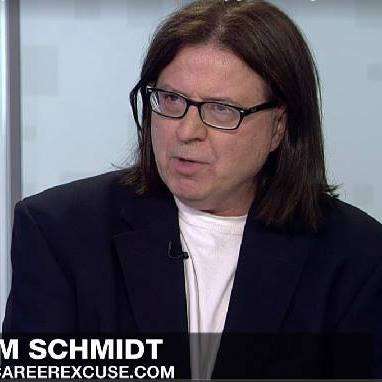
William Schmidt
William Schmidt is a former Fortune 500 recruiter and founder of WorkReferences.com, a pioneering employment verification and professional reference service established in 2009. With extensive experience working alongside hiring managers, recruiters, and background screening agencies, he helps job seekers overcome career obstacles through credible, third-party verification solutions that strengthen resumes and restore confidence in the hiring process