
Your current boss is the last person who should know you’re looking for a new job. Yet every time a hiring manager asks for a professional reference, it can feel like you’re being forced to choose between securing your future and protecting your present. If you’re searching for how to get a reference without asking your boss, you already understand the stakes, and you’re right to be cautious.
That instinct to protect your current position isn’t paranoia. It’s sound professional judgment. A single poorly timed conversation with the wrong supervisor can unravel months of careful job searching, and in some workplaces, the consequences extend well beyond an awkward moment.
Here’s what most candidates don’t realize: employment verification is a procedural requirement of corporate compliance, not a personal favor that only your current manager can grant. There are legitimate, professionally recognized alternatives that satisfy a hiring company’s due diligence process without alerting your employer or compromising your standing. This guide walks you through every viable option, from identifying qualified alternative references to understanding how third-party verification services provide the structured, credible confirmation that prospective employers require.
Key Takeaways
- Knowing how to get a reference without asking your boss is a recognized, professionally accepted practice — modern hiring managers routinely accommodate alternative references when a conflict of interest exists.
- Strategic substitutes such as peers, indirect managers, and former supervisors can carry significant verification weight, provided they are selected and presented with deliberate professional intent.
- Informal “friend references” carry measurable risk in today’s hiring environment, as sophisticated background check processes are increasingly effective at identifying sources that lack professional credibility.
- A professional job reference service provides structured, third-party employment verification — including live phone answering — that satisfies corporate due diligence requirements without exposing your job search to your current employer.
- The timing and phrasing of your disclosure to a recruiter are as important as the references themselves; a well-scripted conversation can neutralize concerns before they become obstacles to your offer.
Why Modern Hiring Managers Accept Alternatives to Your Current Boss
The corporate hiring process has matured considerably. Experienced recruiters and HR professionals understand a fundamental reality: requiring a candidate to disclose their job search to a current employer is an unreasonable demand, and in many cases, it’s one they’d never make of a top-tier candidate they genuinely want to secure. Knowing how to get a reference without asking your boss isn’t a workaround. It’s a recognized professional accommodation built into modern hiring protocol.
The reason comes down to compliance logic, not courtesy. Background screening firms and corporate HR departments are primarily concerned with verifying objective data: employment dates, job titles, compensation history, and eligibility for rehire. Personal anecdotes from a supervisor carry far less procedural weight than candidates assume. What a hiring company’s due diligence process actually requires is confirmation, not a character endorsement from whoever currently signs your timesheet.
This distinction matters. There are two fundamentally different things a prospective employer may be seeking when they ask for a reference:
- Employment Verification: A structured confirmation of factual work history, including dates of employment, role, and standing at departure. This is a compliance requirement and can be satisfied by third-party sources.
- Character Reference: A subjective assessment of your professional qualities, typically provided by someone who has worked alongside you. This carries persuasive value but is not a formal verification mechanism.
Conflating the two is where candidates create unnecessary risk for themselves.
The Stealth Job Hunt: Protecting Your Current Position
Disclosing a job search prematurely is one of the most consequential mistakes an employed professional can make. In many organizations, a manager who learns of your intentions will begin the process of succession planning before you’ve received a single offer. Legally, employment-at-will doctrine in most U.S. states means your current employer can act on that information immediately.
When speaking with a recruiter, a straightforward approach works best. A phrase such as: “I’m conducting my search confidentially and would appreciate keeping my current employer out of the reference process until an offer is extended” is professionally standard. Recruiters hear this regularly. It signals self-awareness, not evasion.
When the Relationship Is the Problem: Toxic Managers
Some managers are disqualified as references not by circumstance but by conduct. A supervisor with a documented pattern of retaliatory behavior, interpersonal conflict, or performance disputes is an unreliable source by any objective standard. Corporate legal teams are acutely aware of this: negative reference lawsuits are a recognized liability, which is precisely why many companies now restrict managers to confirming only dates and titles.
When redirecting a recruiter away from a problematic manager, frame it around objective performance metrics rather than personal grievance. Reference documented achievements, quantifiable results, or third-party performance reviews that speak to your record independently of one individual’s opinion. The goal is to shift the conversation from subjective testimony to verifiable data, which is where structured professional reference services provide their most direct value.
Understanding how to get a reference without asking your boss begins with recognizing that modern hiring infrastructure is already designed to accommodate exactly this scenario. The process exists. The question is whether you’re positioned to use it effectively.

Strategic Substitutes: Who to Use Instead of a Direct Supervisor
Selecting the right alternative reference isn’t a matter of choosing whoever is most convenient. It’s a deliberate act of professional positioning. The substitutes you identify need to carry verifiable credibility, speak to measurable work output, and hold up under the structured scrutiny of a corporate background screening process. Understanding how to get a reference without asking your boss means understanding which professional relationships carry genuine verification weight and which ones simply won’t survive contact with an experienced HR team.
The hierarchy matters. Not all alternative references are equal, and presenting them as if they were interchangeable is a strategic mistake. Think in tiers:
- Tier 1: Indirect managers or senior leaders who oversaw project outcomes without being your direct line supervisor. Their organizational authority lends procedural credibility.
- Tier 2: Cross-functional peers and internal clients who depended on your deliverables and can speak to performance from a stakeholder perspective.
- Tier 3: External validators such as clients, vendors, or strategic partners who engaged with your work in a professional capacity outside your organization.
- Tier 4: Former supervisors from previous roles, particularly those from long-tenure positions where your track record is well-established.
Peers and Cross-Functional Colleagues
A peer reference carries more weight than most candidates assume, provided the individual is selected with precision. The colleague who attended the same team meetings isn’t the right choice. The right choice is someone who functioned as an internal customer of your work: a product manager who relied on your data analysis, a sales lead who depended on your marketing output, or a finance partner who validated your project budgets. These relationships reflect professional interdependence, not social familiarity, and that distinction registers with hiring managers.
Before listing a peer, brief them on the context. They should be prepared to speak specifically to deliverables, timelines, and outcomes rather than general impressions. A peer who says “she was great to work with” adds little. One who says “she delivered the Q3 audit framework two weeks ahead of schedule, which directly enabled our compliance sign-off” provides the kind of concrete, verifiable testimony that holds up in a structured reference call.
The Defunct Company Solution
Closed companies create a verification gap that many candidates don’t anticipate until they’re mid-offer-process. If a previous employer no longer operates, the standard HR contact number returns a disconnected line, and background screening firms flag the gap as unverifiable. This is a solvable problem, but it requires proactive preparation.
Start by locating former managers who have since moved to new organizations. A LinkedIn search filtered by company name and employment dates will often surface these individuals. Their current employer and title are irrelevant; what matters is their firsthand knowledge of your role and tenure at the defunct entity.
As a secondary verification layer, tax documents such as W-2s and pay stubs serve as documentary evidence of employment dates and compensation. While these don’t replace a live reference, they provide corroborating data that strengthens your overall verification profile. For candidates navigating this specific challenge, structured guidance on references for closed companies outlines the procedural steps required to secure your work history when the original employer no longer exists.
External validators, particularly clients or vendors from previous roles, represent one of the most underutilized reference sources in professional hiring. A client who engaged with your work directly, signed off on your deliverables, or renewed a contract based on your performance carries independent credibility that no internal reference can replicate. Their testimony exists entirely outside your former employer’s organizational structure, which is precisely what makes it compelling.
If you’re uncertain whether your current reference portfolio is structured to withstand a rigorous screening process, consider reaching out to a professional reference specialist to assess your options before your next offer stage.
The Risk of DIY References: Why “Asking a Friend” Can Backfire
There’s a persistent piece of informal advice circulating in job-search forums and Reddit threads: just ask a friend to pose as your former supervisor. It sounds low-risk. It isn’t. Background screening has matured significantly, and the informal “friend reference” strategy is now one of the fastest ways to have a job offer rescinded before you’ve signed anything.
Corporate HR departments and third-party screening firms aren’t simply making courtesy calls. They’re running structured verification protocols that cross-reference the information you’ve provided against independent data sources. An inconsistent story, a reference that doesn’t align with your documented work history, or a contact who can’t answer basic procedural questions is a red flag that experienced screeners are trained to identify immediately. Resume and reference consistency isn’t a secondary concern; it’s the single most scrutinized element of the verification process, and an inconsistency is the primary reason job offers are rescinded at the final stage.
Detecting the “Friend” Reference
Professional screeners don’t need to catch someone in an outright lie to disqualify a reference. Subtle signals are enough. A personal Gmail address instead of a corporate email domain, answers that are vague or emotionally effusive rather than factually grounded, an inability to confirm specific dates or job titles, or a tone that sounds more like a character witness than a professional contact — any of these triggers additional scrutiny. Enthusiasm without specificity reads as fabrication to a trained HR professional.
The legal exposure compounds the professional risk. Providing a fake reference can constitute fraud in certain jurisdictions, particularly when it’s used to obtain employment under false pretenses. Beyond the legal dimension, being flagged for reference manipulation can result in permanent blacklisting within an industry, a consequence that far outlasts the job opportunity you were trying to secure.
Verification vs. Recommendation
Most candidates overestimate how much a glowing personal endorsement matters and underestimate how much procedural accuracy matters. The majority of corporate reference checks are focused on confirming objective data: employment dates, job titles, and departure status. A friend who can’t accurately verify those specifics provides no verification value, regardless of how warmly they speak about you.
This is precisely where a structured professional reference service provides a categorically different level of protection. Rather than relying on a personal favor that could unravel under basic questioning, a professional service provides third-party confirmation of your work history with the procedural credibility that corporate compliance processes require. For candidates who understand how to get a reference without asking your boss, the distinction between a personal substitute and a structured verification solution isn’t a matter of preference. It’s a matter of professional integrity. Explore the available options at WorkReferences.com to understand what a properly structured reference portfolio looks like before your next offer stage.
Utilizing a Professional Job Reference Service
Every alternative reference strategy discussed so far depends on one variable you can’t fully control: another person’s availability, memory, and willingness to perform under structured questioning. A professional job reference service removes that variable entirely. It replaces a personal favor with a procedurally sound, third-party verification mechanism designed specifically to satisfy corporate compliance requirements.
What WorkReferences actually provides is structural, not cosmetic. The core deliverable is live phone answering for employment verification calls, backed by documented confirmation of your work history. When a background screening firm or HR department dials the reference contact you’ve listed, they reach a professional service that responds with accurate, consistent, and verifiable data aligned with your career documentation. There’s no voicemail, no delayed callback, and no risk of a well-meaning contact stumbling over an unexpected question.
This matters more than most candidates anticipate. Screening firms often conduct reference calls during business hours on compressed timelines, particularly when an offer is pending. A reference that doesn’t answer, responds inconsistently, or provides information that conflicts with your submitted resume creates a verification gap that can stall or derail an offer at the final stage. Professional services are built to close that gap with precision.
The Professional Reference Package
WorkReferences offers structured packages designed to match the verification demands of different career levels. The process begins with aligning your reference documentation to your existing career history, ensuring that every data point a screener receives corresponds exactly to what you’ve submitted on your resume and application. This alignment isn’t incidental. It’s the procedural foundation that allows the verification to hold up under scrutiny.
For executive-level candidates, this level of managed verification is standard practice rather than an exception. Senior roles attract more rigorous background screening, and the stakes of a reference inconsistency are proportionally higher. A managed service provides the organizational credibility and procedural consistency that a personal contact, however well-positioned, often can’t reliably replicate across multiple screening calls.
Pricing and Tiered Support
WorkReferences structures its offerings across Basic and Executive packages, allowing candidates to select the tier that reflects both their career level and the complexity of their verification needs. The distinction between tiers isn’t simply about volume; it’s about the depth of support available when screening timelines are tight and a competitive offer is in play. Priority processing becomes a concrete advantage when multiple candidates are under consideration simultaneously.
For candidates navigating how to get a reference without asking your boss, the decision to invest in structured verification is ultimately a risk management calculation. The cost of a professional service is fixed and predictable. The cost of a failed reference check, measured in a rescinded offer or a delayed start date, is not. Review the available packages and tier details at the WorkReferences pricing page to identify the right level of support for your situation, or connect with a reference specialist to discuss your specific verification needs before your next offer stage.
How to Present Alternative References to Your Recruiter
Knowing how to get a reference without asking your boss is only half the equation. The other half is knowing when and how to tell your recruiter. Handled well, this conversation is unremarkable. Handled poorly, it introduces doubt at precisely the moment you need to project confidence.
Timing is the first variable to manage. Don’t volunteer the information unprompted during early screening conversations. Wait until the process has advanced to the point where references are actively requested, typically late in the interview funnel. At that stage, you’ve already demonstrated your value, and the recruiter has institutional momentum behind placing you. That context works in your favor.
When the conversation arrives, keep your phrasing factual and forward-moving. Something like: “My current employer isn’t aware of my search, which I’m keeping confidential until an offer is in place. I have strong professional references from colleagues and former supervisors who can speak directly to my work history and performance.” That’s it. No lengthy explanation, no apology. The phrasing acknowledges the situation, signals professionalism, and redirects immediately to what you’re providing instead.
The “Conditional Reference” Strategy
One of the most effective tools available to an employed candidate is the conditional reference request. Rather than releasing your reference contacts at the point of first ask, request that formal reference checks be conducted after a contingent offer is extended. This is a recognized practice in professional hiring, particularly at the mid-to-senior level. It protects your current role until the new contract is signed and eliminates the risk of your job search being exposed before you have something concrete in hand.
The logic behind this approach is reinforced by how reference checks actually function in practice. Jobs actually call references at the very end of the hiring funnel, after interviews are complete and a preferred candidate has been identified. Reference checks are a final compliance step, not an exploratory tool. Knowing this, you can reasonably request that the process follow its natural sequence: offer first, verification second.
Final Preparation Checklist
Before any screening call is initiated, run through these steps without exception:
- Align your resume with your verification data. Every date, title, and employer listed must match exactly what your references will confirm. A single discrepancy is enough to flag the entire submission.
- Brief your substitutes with specific talking points. Each reference should be prepared to speak to concrete deliverables, not general impressions. Give them the role title, approximate dates, and two or three specific projects they can reference with confidence.
- Confirm your reference contact details are current. An outdated phone number or a former colleague who’s changed employers without warning creates a verification gap that stalls your offer. Verify every contact before submitting.
- Update your information with your screening firm. If you’re using a structured service, ensure your documentation is current and aligned before the background check is initiated. You can connect with a reference specialist to confirm your profile is ready for submission.
Knowing how to get a reference without asking your boss ultimately comes down to preparation, sequencing, and professional integrity. The candidates who navigate this process successfully aren’t the ones who improvise. They’re the ones who arrive at the reference stage with a structured plan already in place.
Your Next Offer Deserves a Reference Strategy That Holds Up
Knowing how to get a reference without asking your boss isn’t a workaround. It’s a professionally sound approach that modern hiring processes are built to accommodate. The key is execution: selecting references with genuine verification weight, presenting alternatives to recruiters with confidence, and ensuring your resume and reference data are precisely aligned before any screening call is initiated.
Improvised solutions carry real risk. A friend posing as a supervisor, an outdated contact number, or a reference who can’t speak to specifics under structured questioning can unravel an offer you’ve worked months to secure. The alternative is a structured verification solution built for exactly this scenario.
WorkReferences provides live phone answering for employment verification calls, expert alignment between your resume and reference documentation, and specialized support for defunct companies and unavailable managers. It’s the procedural safeguard that keeps your job search confidential and your verification credible.
Don’t leave your next offer to chance. Connect with a reference specialist today and arrive at the final stage fully prepared.
Frequently Asked Questions
Is it a red flag if I don’t list my current manager as a reference?
No. Experienced recruiters and HR professionals understand that disclosing a job search to a current employer carries real professional risk, and they routinely accommodate alternative references as a result. What matters is that your substitutes are credible, professionally positioned, and able to speak to verifiable work history. A well-prepared alternative reference portfolio signals self-awareness, not evasion.
The key is how you present the situation. A brief, factual explanation during the reference conversation, delivered without apology, is all that’s required. Recruiters who are serious about placing you won’t make your current manager’s absence a disqualifying issue.
Can I use a co-worker as a reference instead of a supervisor?
Yes, but the selection requires precision. A peer who functioned as an internal stakeholder of your work carries far more verification weight than a colleague who simply shared a workspace. Think about who depended on your deliverables directly: a cross-functional partner, an internal client, or a project collaborator who can speak to specific outcomes rather than general impressions.
Before listing any peer, brief them with concrete talking points. They should be prepared to confirm your role, approximate tenure, and two or three specific deliverables. Vague enthusiasm doesn’t hold up under structured questioning from an experienced screener.
What should I do if a potential employer insists on speaking to my current boss?
Hold your position professionally. Request that formal reference checks be conducted after a contingent offer is extended, which is a recognized and reasonable ask at the mid-to-senior level. Frame it directly: you’re conducting a confidential search and will release your current employer’s contact information once an offer is in place. Most hiring managers will respect this boundary when a candidate has otherwise performed well through the interview process.
If a company continues to insist before extending an offer, that itself is useful information about how they operate. A well-structured alternative reference portfolio, including third-party employment verification, gives you a credible substitute to offer in the interim.
How far back do employers usually go when checking references?
Most employers focus their reference checks on the past seven to ten years of employment, with the greatest scrutiny applied to your two or three most recent roles. Positions held earlier in your career are typically subject to lighter verification, often limited to confirming dates and titles rather than conducting live reference calls. That said, senior-level roles attract more thorough screening across a broader timeline.
The practical implication is that your most recent positions carry the heaviest verification burden. If your current role is the one you can’t reference through your direct supervisor, that’s precisely where a structured alternative strategy matters most.
Can a former boss legally give me a bad reference?
In most U.S. jurisdictions, a former employer is legally permitted to provide a negative reference, provided the information shared is truthful. However, the legal exposure associated with negative references has led many companies to restrict managers to confirming only dates of employment, job title, and eligibility for rehire. This policy is driven by corporate legal teams, not employment law, and it varies significantly by organization.
If you have reason to believe a former supervisor would provide a damaging reference, document your concerns and consider requesting your official employment record directly from that company’s HR department. Knowing what’s in your file gives you the ability to address discrepancies proactively rather than being blindsided during a screening call.
What happens if my reference doesn’t answer the phone or email?
An unresponsive reference creates a verification gap that can stall or derail an offer at the final stage. Background screening firms work on compressed timelines, particularly when an offer is pending, and a contact who doesn’t respond within that window is often flagged as unverifiable. That gap reflects on your submission, not on the screener’s persistence.
This is one of the most practical reasons to consider a professional reference service. Live phone answering ensures that when a screening firm dials your reference contact, the call is answered promptly and the verification is completed accurately. There’s no voicemail, no missed callback window, and no risk of a well-meaning contact being unreachable at a critical moment.
How do I handle references for a company that no longer exists?
Start by locating former managers from that organization through LinkedIn, filtering by the company name and approximate employment dates. Their current employer is irrelevant; what matters is their firsthand knowledge of your role and tenure. A former colleague who can speak to your work at a defunct company is a legitimate reference source, provided they’re briefed and prepared to respond to structured questions.
As a secondary layer, tax documents such as W-2s and pay stubs serve as corroborating evidence of your employment dates and compensation. For candidates navigating how to get a reference without asking your boss at a company that’s since closed, WorkReferences also provides structured support specifically designed to address defunct employer verification gaps.
Will a professional reference service help me pass a background check?
A professional reference service doesn’t alter or misrepresent your work history; it provides structured, third-party confirmation of the accurate information you’ve already documented. WorkReferences delivers live phone answering for employment verification calls and ensures precise alignment between your submitted resume and the data a screener receives. That consistency is what allows the verification to hold up under scrutiny.
What a professional service protects against is the procedural failure points that derail legitimate candidates: unresponsive contacts, inconsistent data, and verification gaps created by unavailable managers or defunct employers. If your work history is accurate and your documentation is aligned, a structured service gives that record the procedural foundation it needs to be confirmed cleanly. Review the available packages at WorkReferences.com to identify the right level of support for your situation.
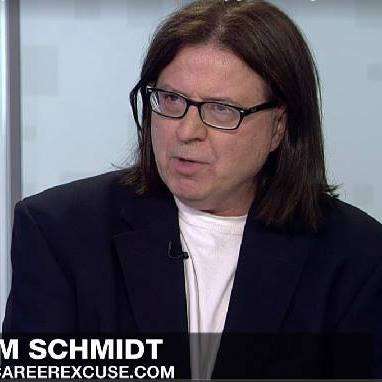
Article by
William Schmidt
William Schmidt is a former Fortune 500 recruiter and founder of WorkReferences.com, a pioneering employment verification and professional reference service established in 2009. With extensive experience working alongside hiring managers, recruiters, and background screening agencies, he helps job seekers overcome career obstacles through credible, third-party verification solutions that strengthen resumes and restore confidence in the hiring process