

If your dream job offer is contingent on a final background check, is one reference enough for a job, or are you handing HR a valid reason to rescind the offer? In 2026, 96.1% of U.S. employers conduct formal screenings before a hire is finalized. Relying on a single contact creates a precarious single point of failure that can trigger immediate suspicion regarding your professional history.
It’s natural to feel anxious if your former company has closed or if employment gaps have left you with a limited list of supervisors. We understand the high stakes of this transition and the stress of proving your credibility when traditional paths are blocked. This article will show you how to move from a state of concern to prepared confidence by explaining why HR flags thin reference lists and how you can strategically bolster your profile. We’ll explore industry-specific requirements and the professional verification methods used to secure offers even when your contact list is short.
Key Takeaways
- Understand why a single point of contact often triggers compliance red flags during the final stages of a corporate background check.
- Learn how the “Rule of Three” provides employers with a 360-degree view of your performance through managers, peers, and clients.
- Discover the specific exceptions for entry-level candidates and long-tenured professionals to see if is one reference enough for a job in your unique case.
- Identify strategies for locating hidden contacts in your professional history or utilizing a Professional Reference Package to ensure verification success.
- Move from anxiety to prepared confidence by learning how to handle references for closed companies and employment gaps effectively.
The Short Answer: Is One Reference Sufficient for Modern Employers?
While providing one reference is technically better than offering none at all, it rarely meets the rigorous compliance standards of modern corporations. In the current hiring climate, reference sufficiency is defined as the ability to provide a multi-perspective validation of a candidate’s tenure and performance. If you are asking yourself, is one reference enough for a job, the reality is that a single name often triggers a “Red Flag” effect. HR professionals frequently interpret a solitary reference as a potential attempt to obscure a troubled work history or a lack of professional depth.
The acceptability of a single reference depends heavily on your specific field. In high-stakes sectors like Finance or Healthcare, providing only one contact is often a deal-breaker because of strict regulatory requirements and the need for comprehensive safety screenings. Conversely, in freelance or creative roles, a single strong testimonial from a long-term client might suffice. However, for most corporate roles, approximately 80% of employers will perform some level of outreach to confirm your history. Candidates often ask, “is one reference enough for a job?” when they find themselves in a bind, but relying on a single source rarely provides the security an employer needs to finalize an offer.
The Single Point of Failure Risk
Relying on one individual creates a dangerous bottleneck in your employment background check process. What happens if your only contact is traveling, ill, or simply misses the email? Without a backup, your candidacy stalls. A single reference also severely limits the scope of your professional validation. You are essentially over-relying on one person’s mood or memory. If that individual fails to mention a key skill or misremembers your dates of employment, you have no other sources to correct the record. This lack of redundancy can be fatal to your application.
Hiring Manager Expectations in 2026
Hiring standards have evolved significantly. In 2026, background checks are designed to cross-reference multiple data points rather than just collecting character vouchers. Employers have shifted toward rigorous performance verifications that require a triad of perspectives. They want to see consistency across different stages of your career. You might wonder, do jobs actually call references in this automated age? The answer is a definitive yes. Modern HR departments use sophisticated tools to summarize notes and identify inconsistencies. If your professional profile rests on just one pillar, it lacks the structural integrity needed to survive a deep-dive screening. Ensuring you have a diverse list of contacts is no longer an optional luxury; it is a procedural necessity for securing a final offer.
Why the ‘Rule of Three’ is the Gold Standard in HR
In corporate recruitment, the “Rule of Three” isn’t a suggestion; it’s a procedural barrier. While a candidate might wonder is one reference enough for a job when they have a single stellar supervisor, HR professionals view this as insufficient. They utilize a process called triangulation. By speaking with three distinct sources, recruiters can identify consistent patterns in your work habits and professional conduct. One reference is merely an opinion. Three references constitute a consensus. If you are questioning whether is one reference enough for a job, you must understand that HR uses this triad to mitigate the risk of a bad hire.
Maintaining a standardized number of references also serves as a legal safeguard for companies. It ensures the hiring process is objective and reduces the risk of bias. The hiring experts at Indeed suggest that three to four references is the safe range for most roles. This volume provides the social proof necessary to validate your claims. When candidates ask, “is one reference enough for a job?” they are often overlooking the fact that employers need a 360-degree view of their performance. They want to know how you respond to authority, how you collaborate with equals, and how you manage those under your direction. A single reference, no matter how glowing, only provides one slice of this professional pie.
From a legal perspective, HR departments prefer a standardized triad to ensure they aren’t making decisions based on isolated incidents or personal favoritism. This procedural integrity protects the company from claims of negligent hiring. It also protects the candidate. By having multiple voices vouch for your skills, you aren’t at the mercy of one person’s potential oversight or lack of detail. This consensus building is the bedrock of modern employment verification.
The Hierarchy of Reference Quality
- Direct Supervisors: These are the primary names HR seeks. They validate your daily output and professional reliability from a position of authority.
- Cross-Functional Peers: These contacts prove you can navigate complex team dynamics and collaborate across different departments.
- Clients or Vendors: For external-facing roles, these references prove you can represent the brand’s professional value effectively to outside stakeholders.
When the ‘Rule of Three’ is Non-Negotiable
For executive roles and high-clearance positions, the vetting process is exhaustive. You cannot bypass these requirements. Many modern Applicant Tracking Systems (ATS) are hard-coded to require three distinct contact fields before an application can move to the review stage. If your work history spans multiple decades, providing only one name suggests a lack of professional continuity. This can stall your progress. If you’re struggling to fill these slots, it’s vital to speak with a career advocate to bridge those verification gaps and protect your candidacy.
Scenarios Where One Reference Might (and Might Not) Work
There are rare instances where a hiring manager might overlook a thin contact list, but these are exceptions rather than the rule. If you’ve spent over 10 years at a single firm under the same supervisor, HR may accept a single professional name. Even then, it’s a gamble. If that one person is unavailable or gives a lukewarm review, you have no safety net. For entry-level candidates, the reality is slightly different. Educational references from professors or internship coordinators often count as the second and third names, helping to bridge the gap for those with limited corporate history. However, as you progress in your career, the question of is one reference enough for a job becomes increasingly centered on your ability to provide diverse perspectives.
The “Defunct Company” dilemma is a significant hurdle in 2026. When your previous employers no longer exist, you face the risk of appearing unverifiable. This scenario often forces candidates to rely on a single contact who they’ve managed to keep in touch with over the years. To protect your candidacy, you must learn how to provide references for closed companies using third-party verification methods. Reference count is a direct proxy for professional transparency in the eyes of a recruiter. If you only provide one name, it suggests you’re either hiding something or have failed to maintain a professional network.
Professional vs. Character References
Can a character reference fill the gap? In 2026, personal friends or family members carry virtually zero weight in a professional background check. Using them can actually damage your credibility, making you look like an amateur who doesn’t understand corporate norms. If you must use a non-supervisor, choose a community leader or a long-term client. Present them clearly as “Project Collaborators” rather than “Personal Friends” to maintain a formal register. This subtle shift in positioning can help satisfy the numerical requirement without triggering HR red flags.
Comparison: 1 Reference vs. 3 References
The difference between a single contact and a full triad often determines the speed of your job offer. A Professional Reference Package can turn a 1-reference list into a 3-reference success story by providing the necessary validation layers that automated systems demand.
| Metric | 1 Reference | 3 References |
|---|---|---|
| Perceived Risk | High (Single Point of Failure) | Low (Consensus Verified) |
| Verification Speed | Slow (Manual follow-ups required) | Fast (Standardized compliance met) |
| Offer Probability | Variable (Depends on HR leniency) | High (Meets 2026 corporate standards) |
When you’re stuck wondering is one reference enough for a job, remember that modern hiring is about risk mitigation. Providing a triad of names demonstrates that your professional value is recognized by multiple stakeholders, moving you from a state of concern to a position of strength.
Strategic Fixes: What to Do When You Only Have One Reference
If you’re staring at a blank list and wondering is one reference enough for a job, it’s time to stop worrying and start auditing. Your “Reference Reservoir” is often deeper than you realize. Scour your LinkedIn connections and old email archives for project managers, high-level vendors, or even long-term clients who can vouch for your professional integrity. These aren’t just names; they’re essential safeguards for your career progression. Finding these hidden contacts can shift the balance from a suspicious application to a credible profile.
When traditional contacts are unreachable, you can supplement your profile with alternative documentation. Performance reviews, signed commendations, and even redacted W-2s serve as third-party confirmation of your tenure and success. While these don’t replace a live conversation, they provide the procedural integrity HR needs to see. If you’re still coming up short, a Professional Reference Package offers a sophisticated solution. It provides legitimate, live-answered verification that meets 2026 hiring standards, ensuring your candidacy doesn’t stall due to a thin contact list.
Reaching Out to Non-Traditional Sources
Don’t limit yourself to direct supervisors from your most recent role. Former clients or vendors who saw your work firsthand are excellent additions to your list. If you worked at a defunct startup, reach out to project-based colleagues who can confirm your contributions. Adopting a “Vigilant Career Advocate” mindset means taking control of your narrative. You aren’t just asking for a favor; you’re facilitating a professional outcome. These non-traditional sources provide the triangulation HR seeks without requiring a current supervisor’s participation.
Formatting Your Reference Sheet for Maximum Credibility
Presentation is everything. Instead of leaving empty spaces that invite questions, list “Reference Available via Professional Verification Service.” This sounds authoritative and organized rather than defensive. Consistency is the final piece of the puzzle. Ensure your dates, titles, and contact details align perfectly with your background. You should consult The Critical Guide to Resume and Reference Consistency to avoid common formatting traps that trigger automated red flags. When you’re asked is one reference enough for a job, your formatted sheet should provide a resounding “no” by offering a complete verification plan.
When a recruiter asks why your list is thin, be direct and assertive. Explain that your previous firm closed or that your primary supervisor has retired, then immediately offer your alternative verification methods. This projects an image of legal security and preparedness. If you need help bridging these gaps and securing your offer, reach out to our team today to explore our professional verification solutions.

Securing the Offer: How WorkReferences Bridges the Gap
Most candidates realize far too late that a single contact is a professional liability. When you ask yourself is one reference enough for a job, you are often looking for a shortcut that simply does not exist in the 2026 hiring environment. With 96.1% of U.S. employers conducting formal background checks, a thin list is an invitation for deeper scrutiny. WorkReferences acts as your strategic partner to eliminate this risk. Our Professional Reference Package provides the multi-layered validation that corporate recruiters demand, moving you from a state of anxiety to prepared confidence.
In an era where approximately 80% of corporate employers conduct some form of manual outreach, a missed call is a missed opportunity. Our live phone answering service ensures that your background check doesn’t stall due to an unreachable contact. We provide the immediate, professional response necessary to keep your application moving toward a final offer. For those transitioning into leadership, our Executive Reference Package offers the sophisticated verification required for high-stakes, high-compensation roles where the “Rule of Three” is strictly enforced.
The Mechanics of a Professional Reference Service
We don’t just provide a name; we provide a system of legitimacy. Our service offers third-party confirmation of your work history, ensuring procedural integrity in every check. This is an essential safeguard in 2026, as hiring managers move away from informal character vouchers toward structured performance verifications. By acting as a credible reference source, we bridge the gap for candidates with missing supervisors or closed firms. We ensure your professional narrative remains consistent and verifiable, regardless of past company stability.
Next Steps: Building Your Reference Triad Today
The first step in securing your career transition is an honest audit of your current list. You must evaluate your contacts using a “Reference Quality Score” to determine if they meet modern compliance standards. If you’re still wondering is one reference enough for a job, the answer is that it’s a risk you don’t need to take. Choose a package that matches your specific career level and professional risk profile to ensure you never lose an offer to a technicality.
Don’t let a defunct company or a missing supervisor derail your advancement. You can take control of your professional verification today by choosing a solution that projects authority and stability. View our Reference Packages and Pricing to find the right fit for your next career move and finalize your offer with total confidence.
Securing Your Professional Future with a Verified Triad
Relying on a single point of contact leaves your career advancement to chance. We’ve established that the “Rule of Three” is the foundational standard for modern HR compliance. If you’re still questioning whether is one reference enough for a job, remember that a single name lacks the triangulation required to survive a 2026 background check. You’ve learned how to audit your network and use alternative documentation to bolster your profile, but manual efforts often fall short of corporate requirements.
Don’t let a thin contact list or a closed company cost you a life-changing offer. With over 20 years of career documentation expertise, WorkReferences provides legitimate third-party employment verification that satisfies even the most rigorous screenings. Our live phone answering for every reference check ensures that no inquiry goes unanswered. You can secure your career transition with a Professional Reference Package today. Move forward with the prepared confidence that your professional history is fully validated and protected.
Frequently Asked Questions
Can I use a coworker if I only have one manager as a reference?
You can use a coworker, but you should position them as a “peer collaborator” or “project lead” to maintain a formal register. Coworkers provide a horizontal perspective of your daily work ethic, which serves as a valuable complement to a manager’s vertical view. Ensure they are prepared to discuss specific performance metrics and collaborative successes rather than just personal character traits.
Is it okay to provide only one reference if I’ve worked at the same company for 10 years?
It is often acceptable in cases of long tenure, though it still creates a precarious single point of failure. Even if your 10-year history is stellar, HR prefers to see triangulation from different departments or periods of your career. If you’re asking is one reference enough for a job after a decade at one firm, consider adding a long-term client or vendor to provide the necessary consensus.
What should I do if a job application requires three references but I only have two?
Do not leave the third field blank, as this often triggers an automated rejection from modern Applicant Tracking Systems. You should utilize a professional verification service or reach out to a former project partner to fill the gap. Providing a third name demonstrates your commitment to procedural integrity and ensures your application reaches a human recruiter for final review.
Will HR reject me if I can’t provide three professional references?
Rejection is a high risk in 2026 because 96.1% of U.S. employers conduct formal screenings before finalizing an offer. A thin reference list often flags a candidate as “unverifiable,” which leads HR to prioritize applicants with more robust professional validation. While it isn’t an automatic disqualification, it significantly lowers your offer probability in high-stakes corporate environments.
How do I explain that my former company closed and I can’t reach my boss?
State the facts directly and offer alternative verification methods such as performance reviews or third-party confirmation services. Professional recruiters understand that companies close, but they still require a legitimate way to validate your tenure. Utilizing a professional service to provide live phone answering for defunct firms removes the burden of proof from the recruiter and protects your candidacy.
Can a professional reference service help if I have an employment gap?
Yes, professional services provide the third-party confirmation needed to bridge gaps and explain career transitions with authority. These services act as a strategic partner, ensuring your work history is validated even if your former supervisors are unreachable. This approach maintains your professional legitimacy and prevents employment gaps from appearing as suspicious or unaccounted for time.
How many references do employers usually call?
Employers typically call two to three references to establish a consensus on your work habits and professional conduct. While they may request a longer list, they generally focus their outreach on your most recent direct supervisors. If you are wondering is one reference enough for a job, remember that 80% of corporate employers perform outreach to identify patterns across multiple sources.
Is one reference enough for an entry-level job?
It may be sufficient if you supplement that single name with educational references from professors or internship coordinators. For those just entering the workforce, HR departments are often more lenient regarding the traditional “Rule of Three.” However, as you advance into mid-level roles, the requirement for a diverse triad of professional validations becomes a non-negotiable procedural standard.
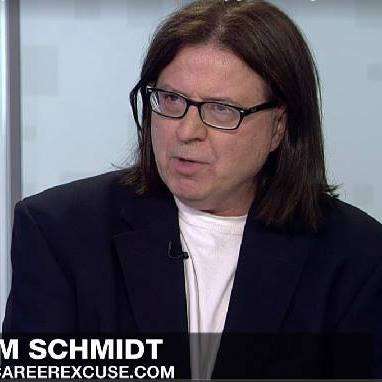
Article by
William Schmidt
William Schmidt is a former Fortune 500 recruiter and founder of WorkReferences.com, a pioneering employment verification and professional reference service established in 2009. With extensive experience working alongside hiring managers, recruiters, and background screening agencies, he helps job seekers overcome career obstacles through credible, third-party verification solutions that strengthen resumes and restore confidence in the hiring process